
The crowds, that was my mistake. And then again, not a mistake.
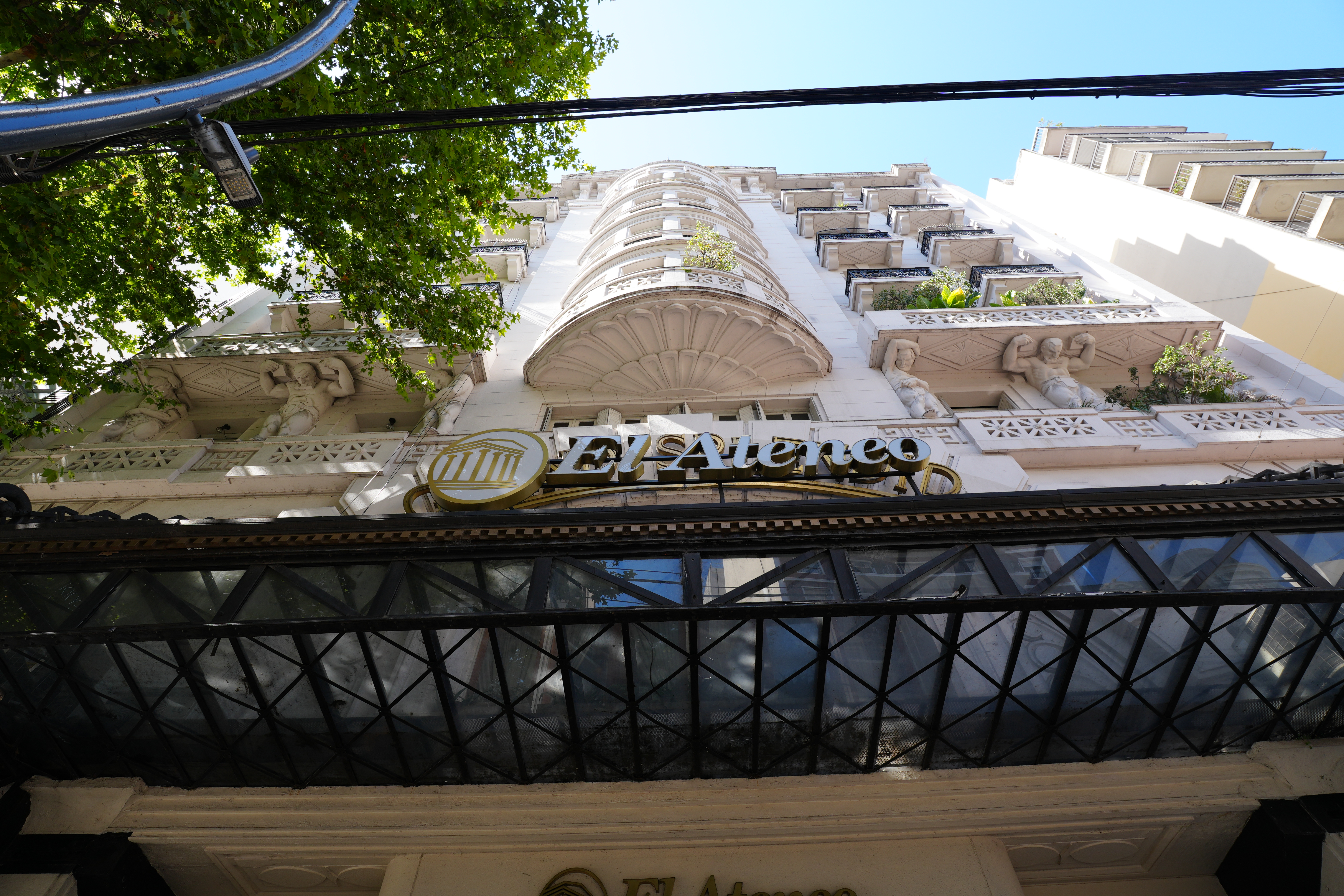
The first time I visited El Ateneo was the day before Christmas. Or was it two days before? It was edging into the evening, and the streets around this old theater were pulsing with life, locals and tourists, shoulders and elbows brushing together, moving along the tile-lined sidewalks like a tide.
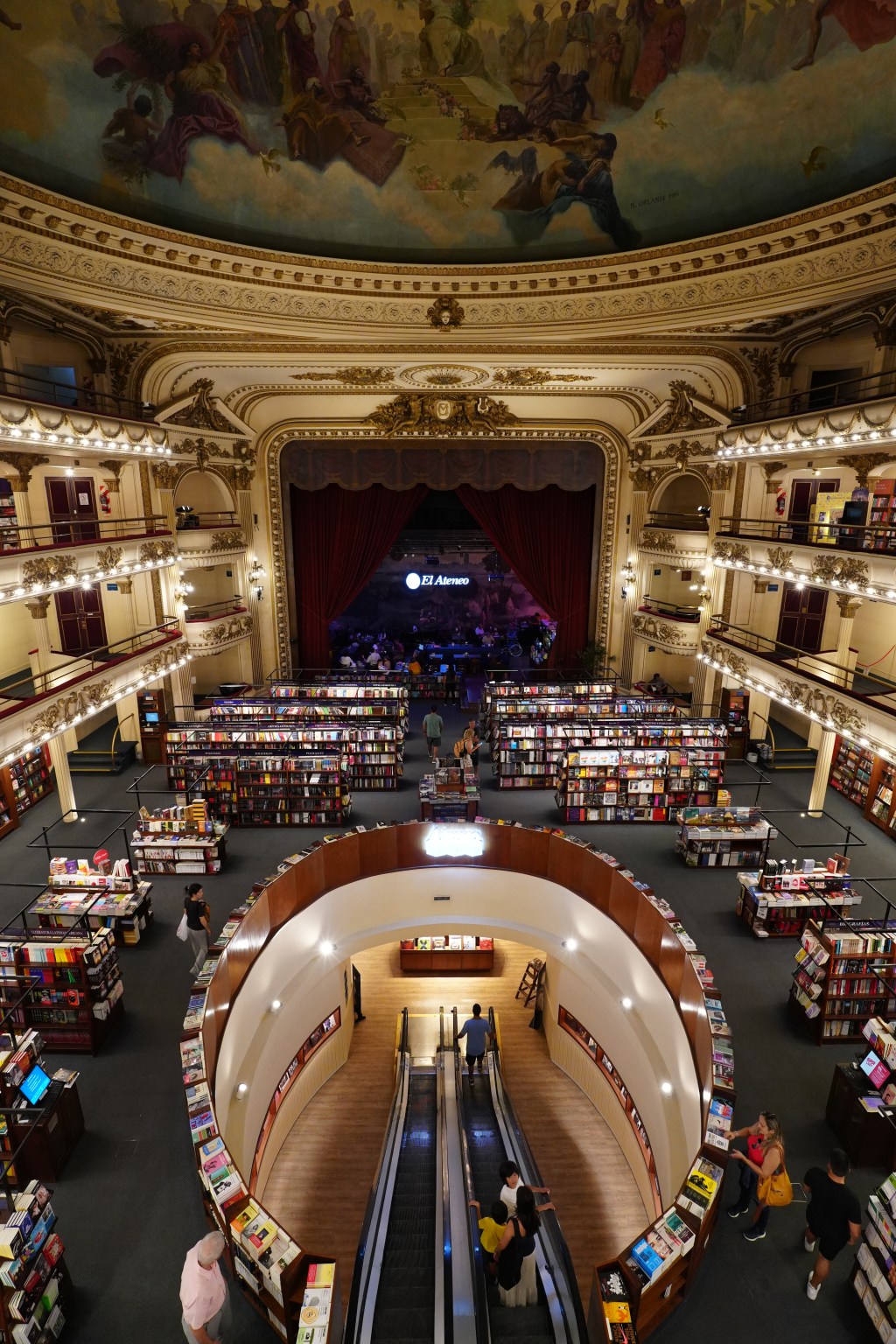
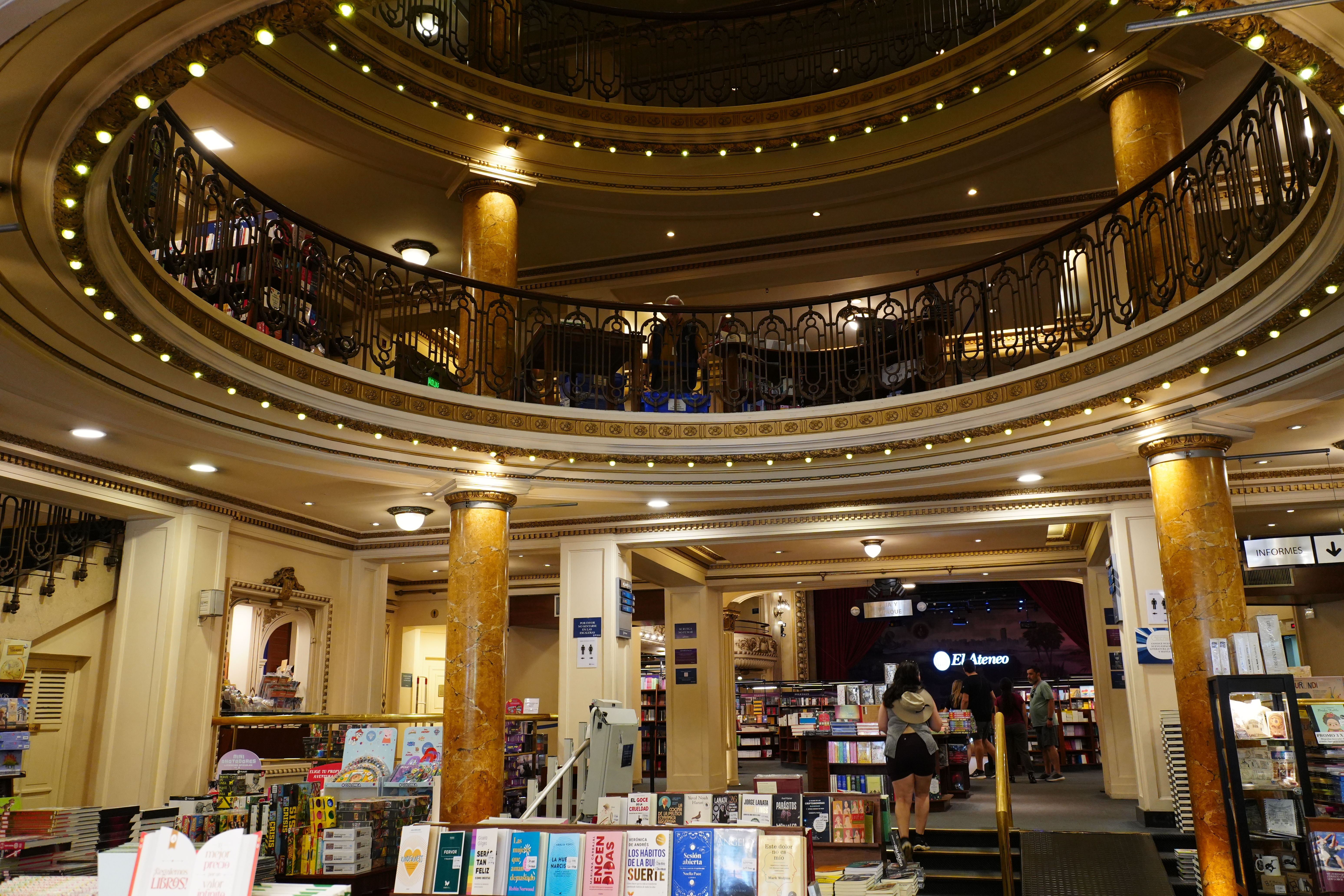
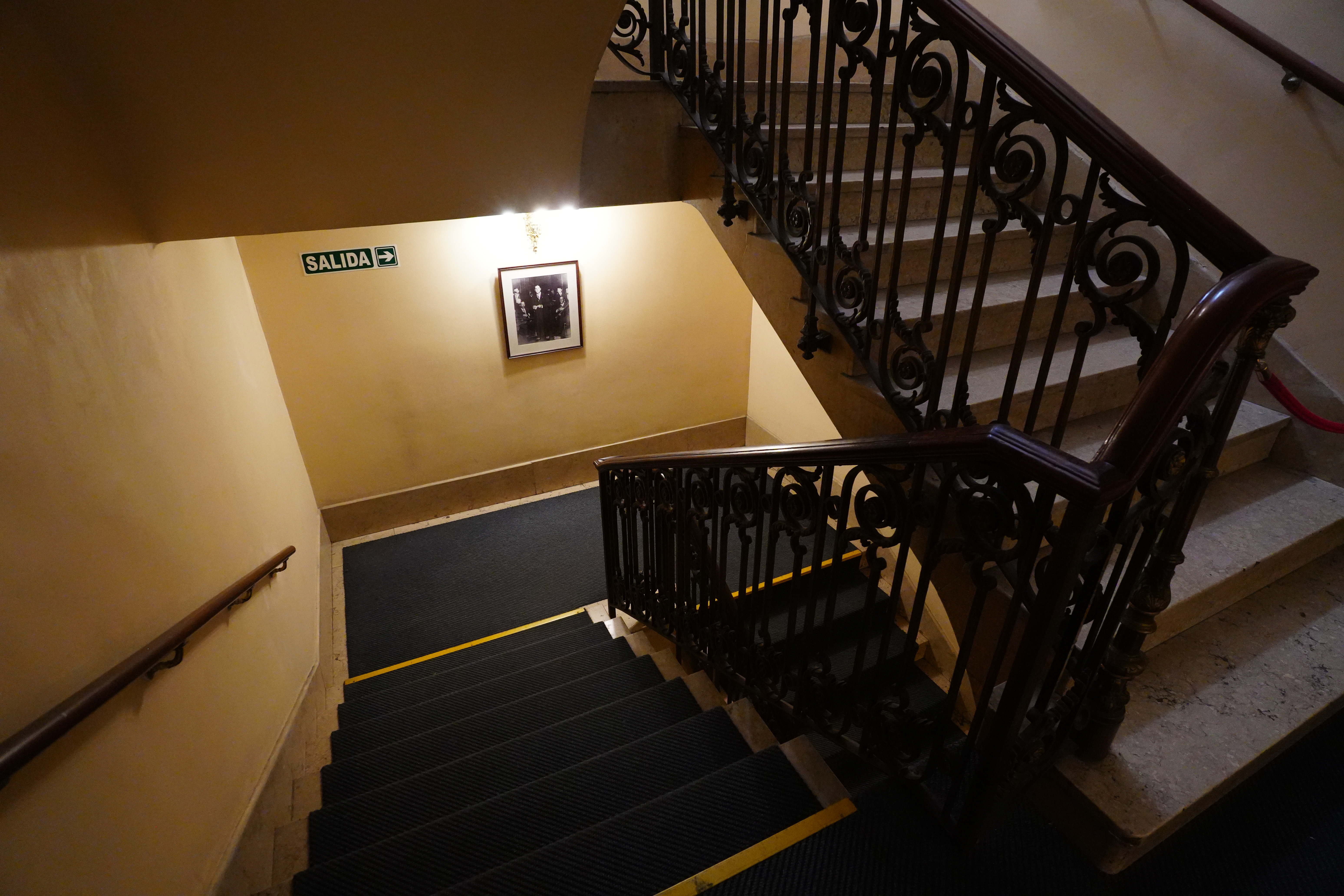
The buzz of chatting book goers greeted me as I entered. The lobby welcomed me with soft lighting and rows of Spanish-labeled books. This was the beginning of the path, one that started low and ascended via classical theater stairs. Like passing through the neck of a horizontal hourglass, the space funneled in and then burst open into a cathedral of pages.
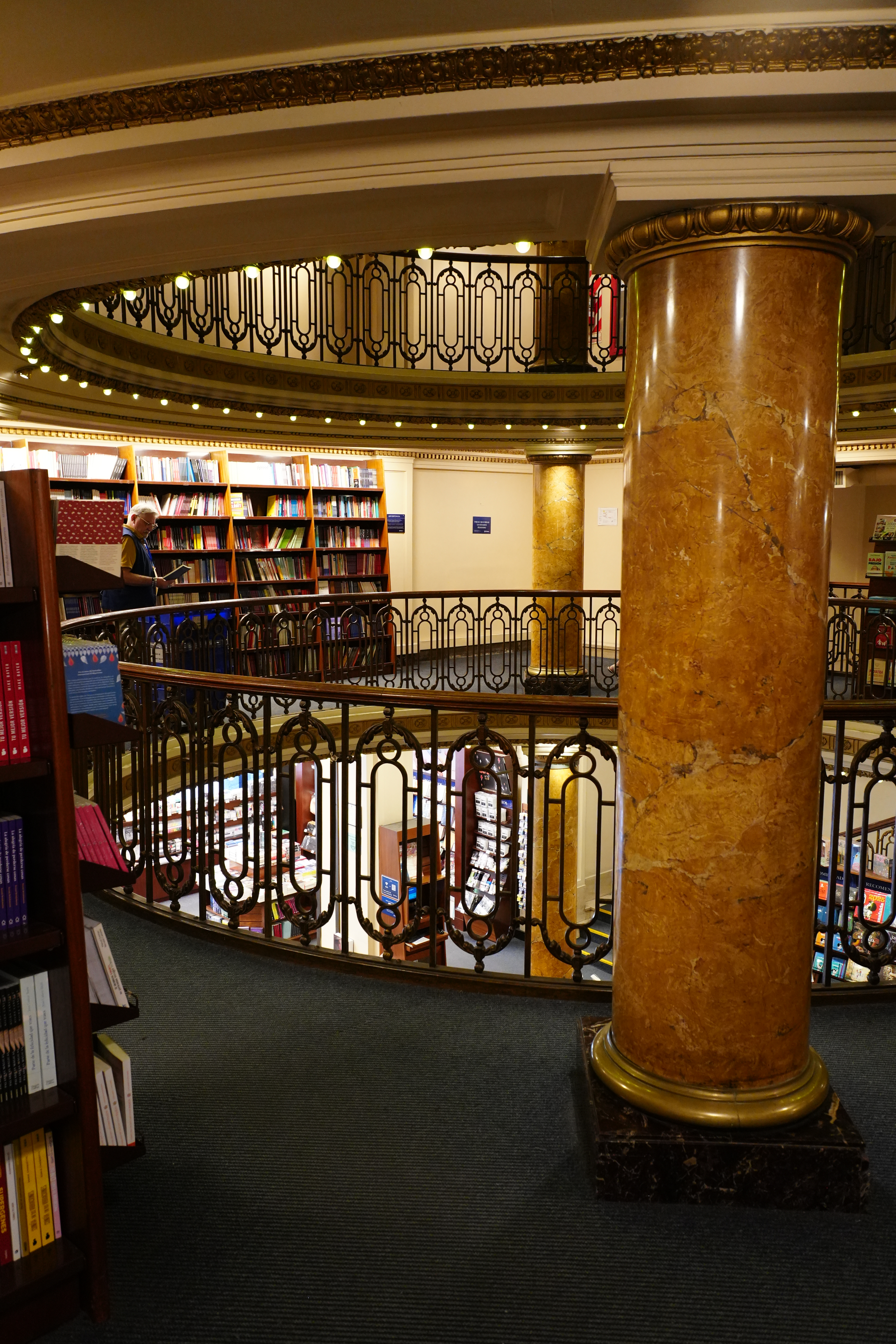
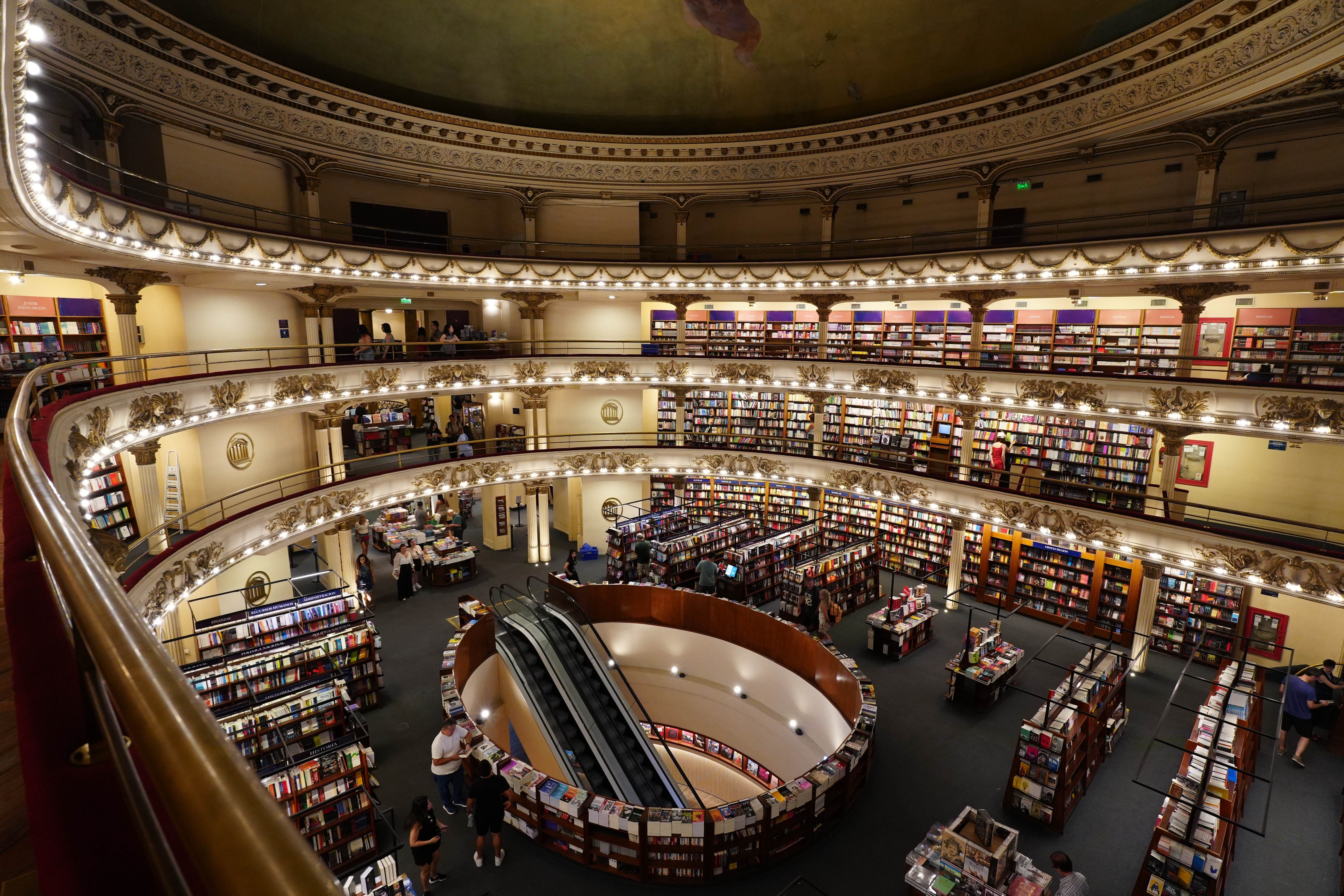
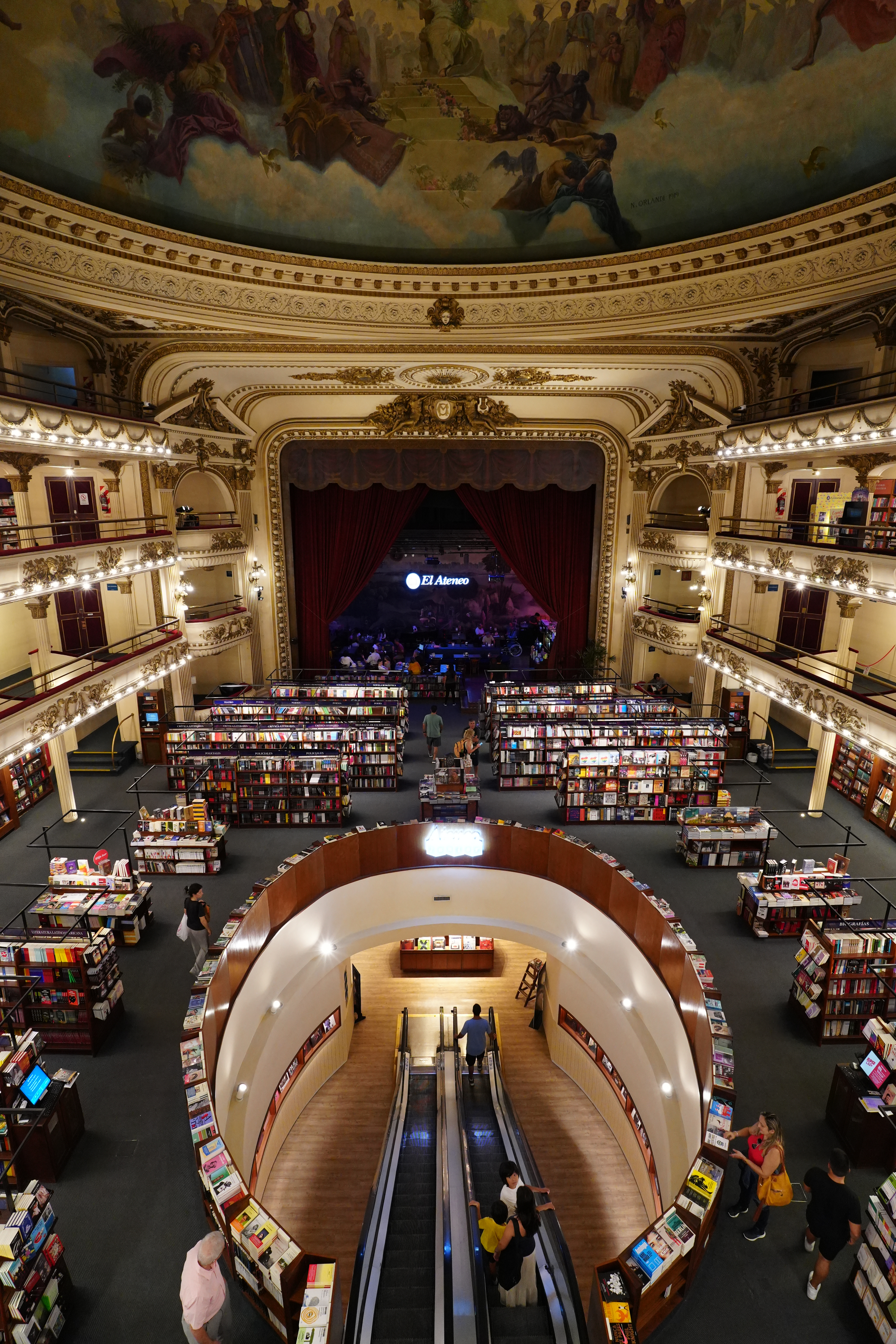
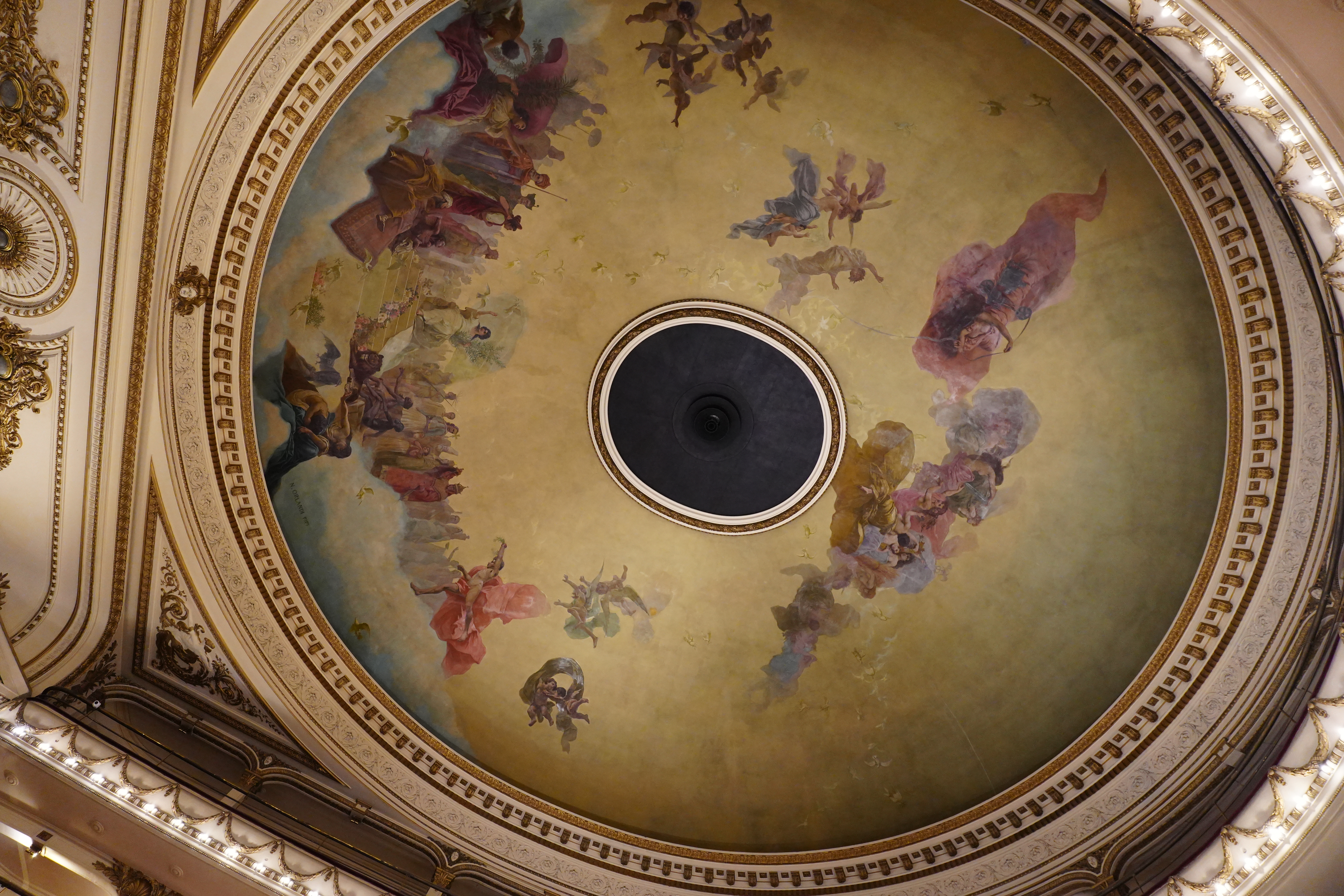
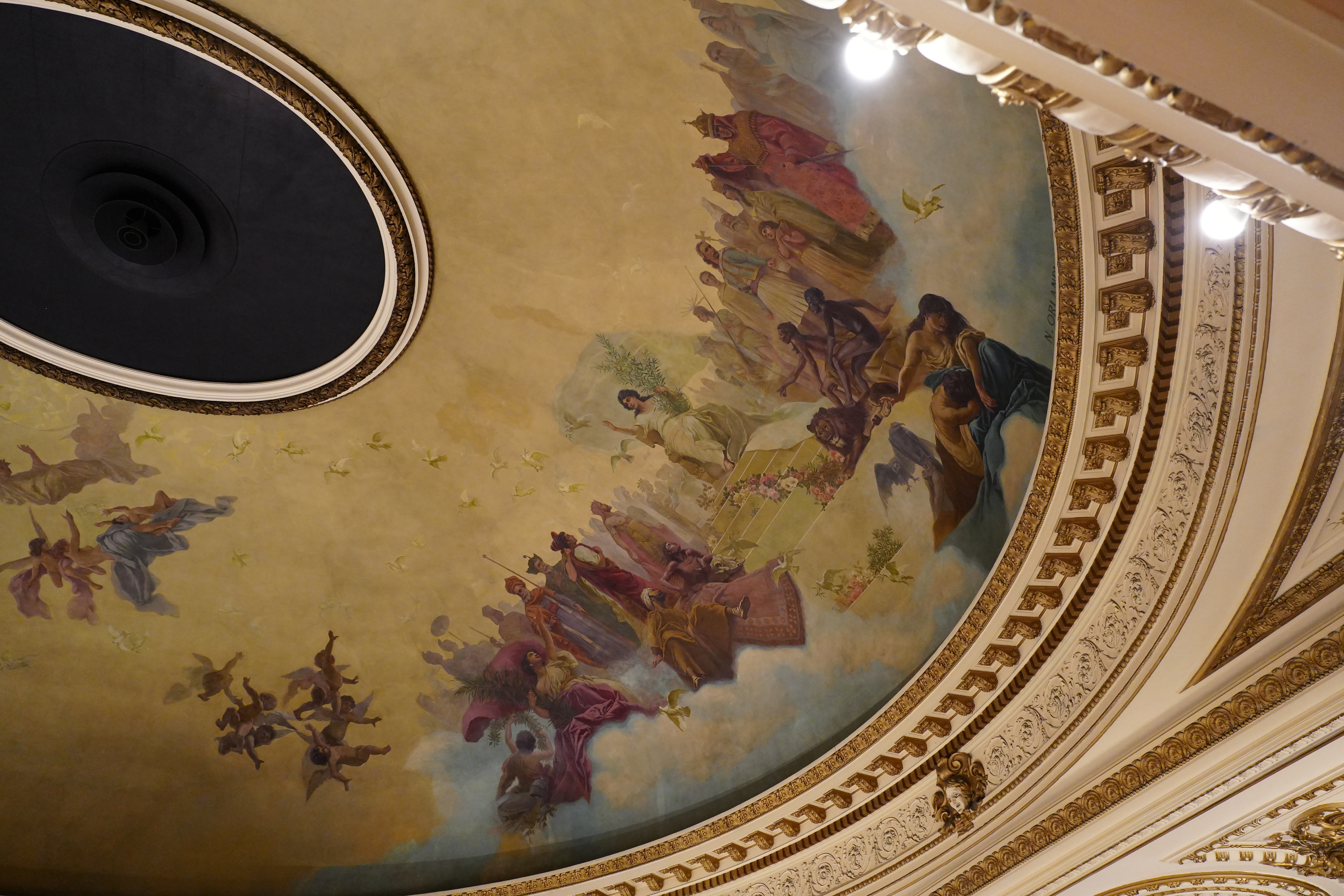
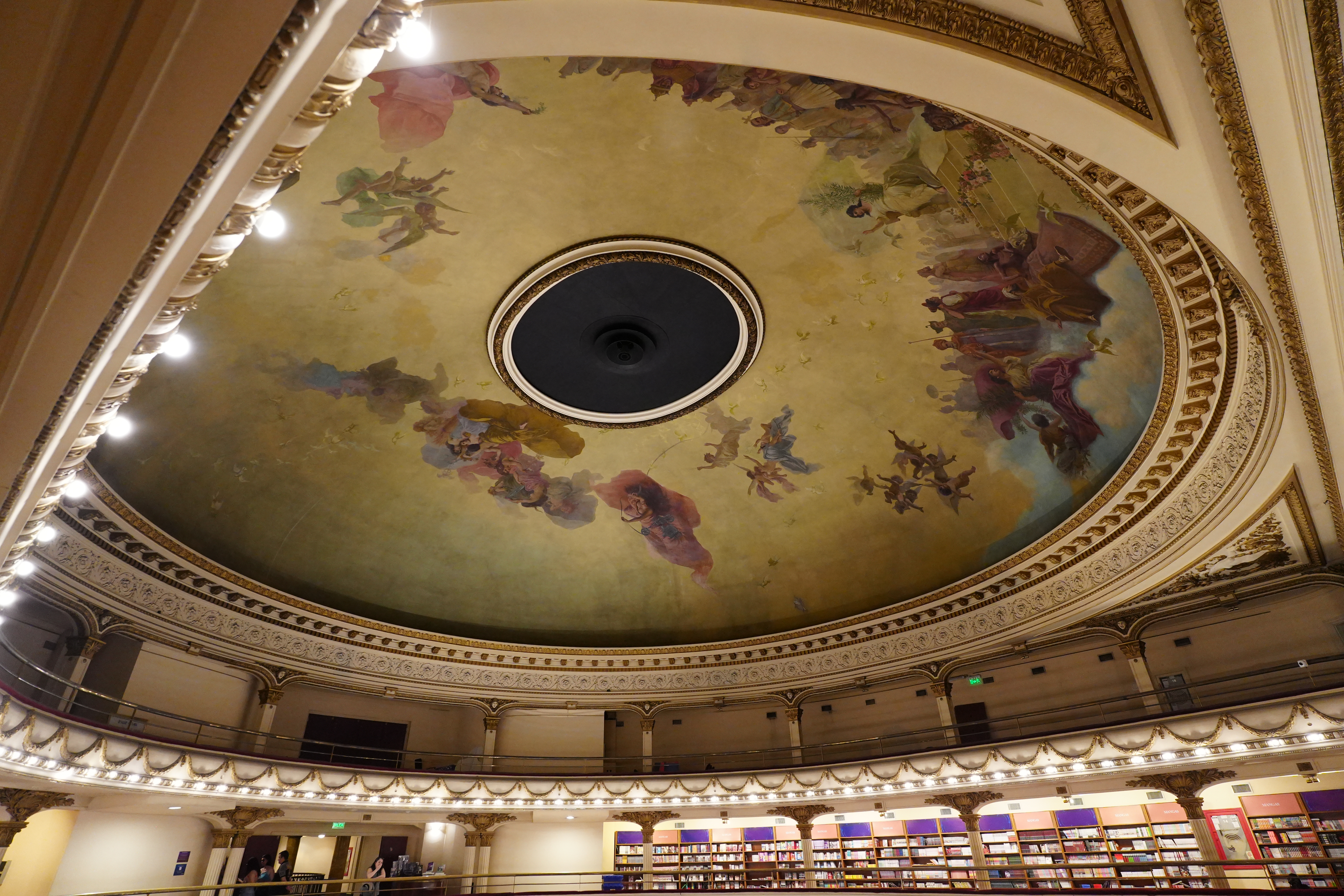
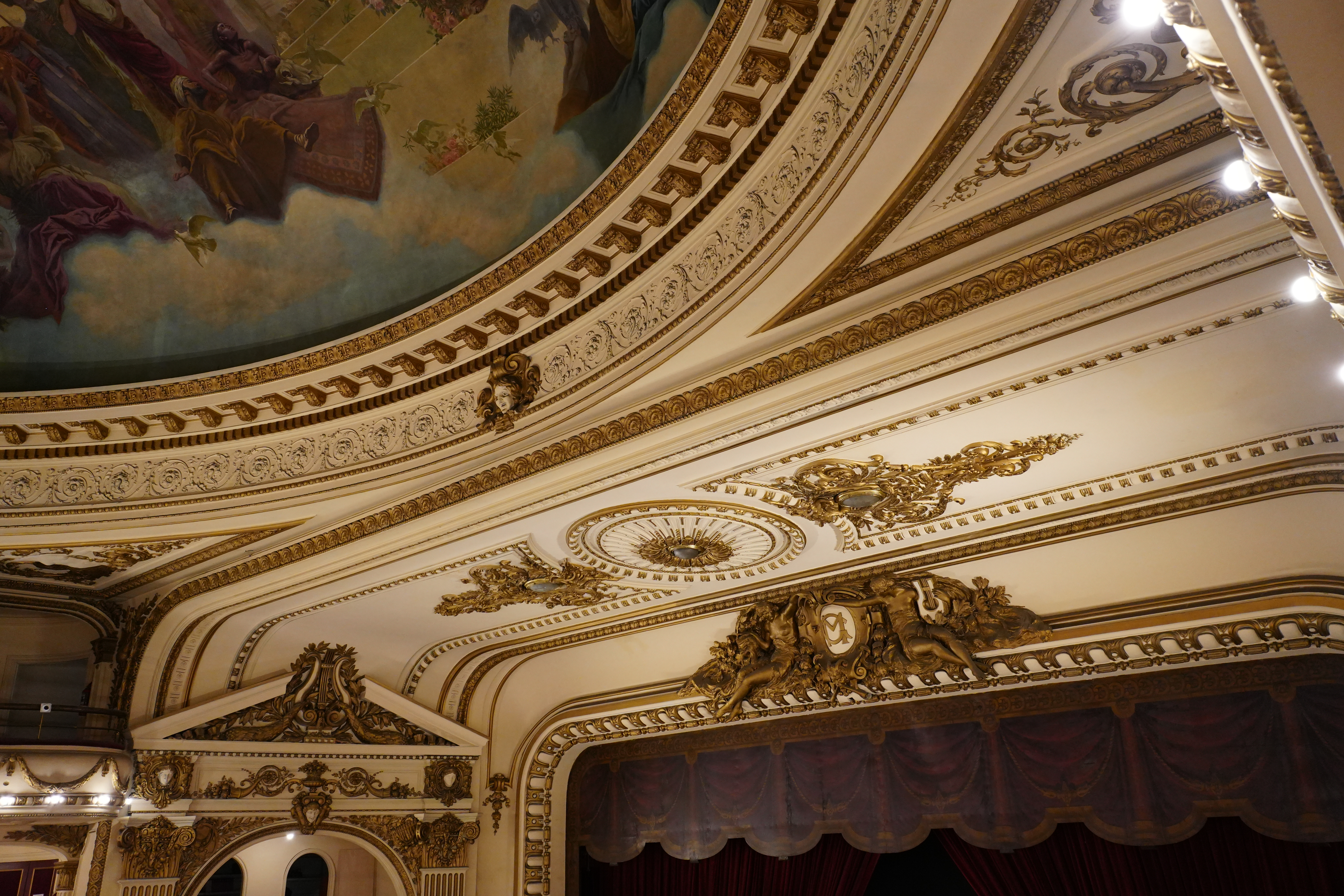
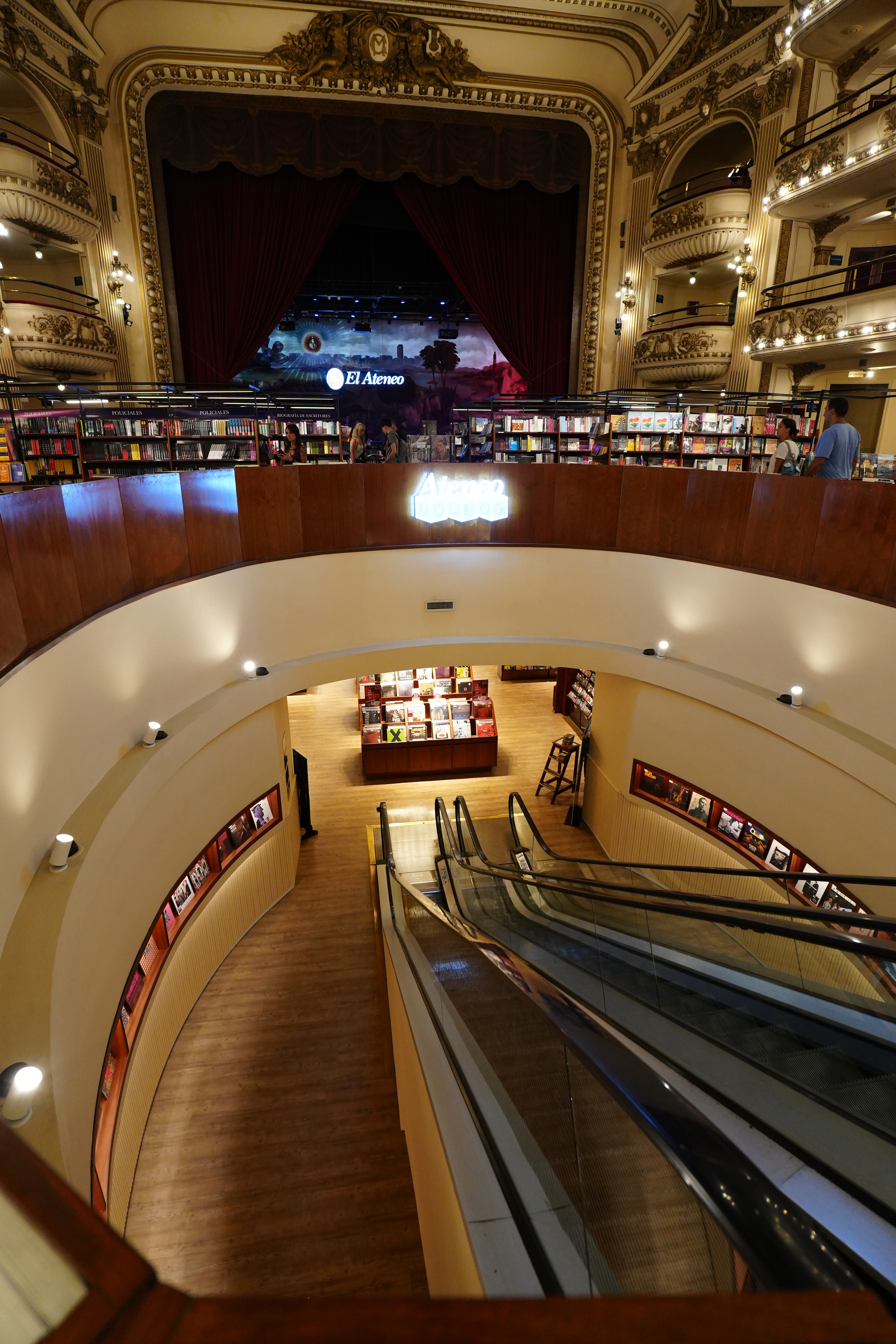
It drew me in like a vacuum, the vertical grandeur of the place pressing upward, the ceiling mural, the layered balconies, the glowing orbs of light strung along the rails like beads on a necklace. This draw, I wanted to see, to see how this once-theater of theatricality had been transformed into a reader’s theater.
Walking Through the Book
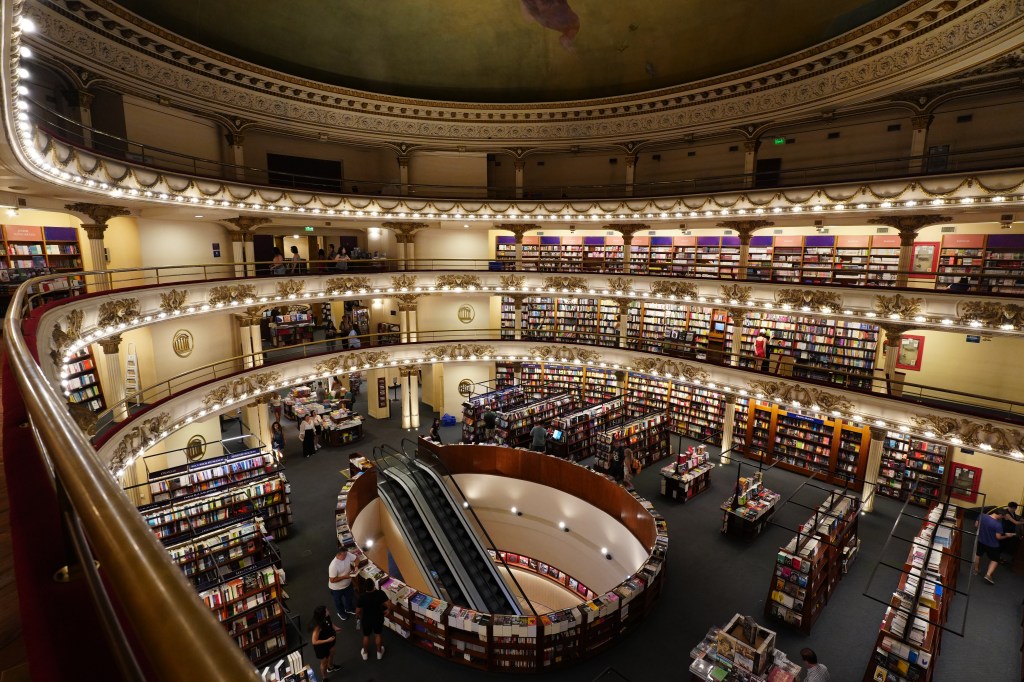
The building divides itself naturally into parts:
- The foyer entrance
- The main theater’s former seating area
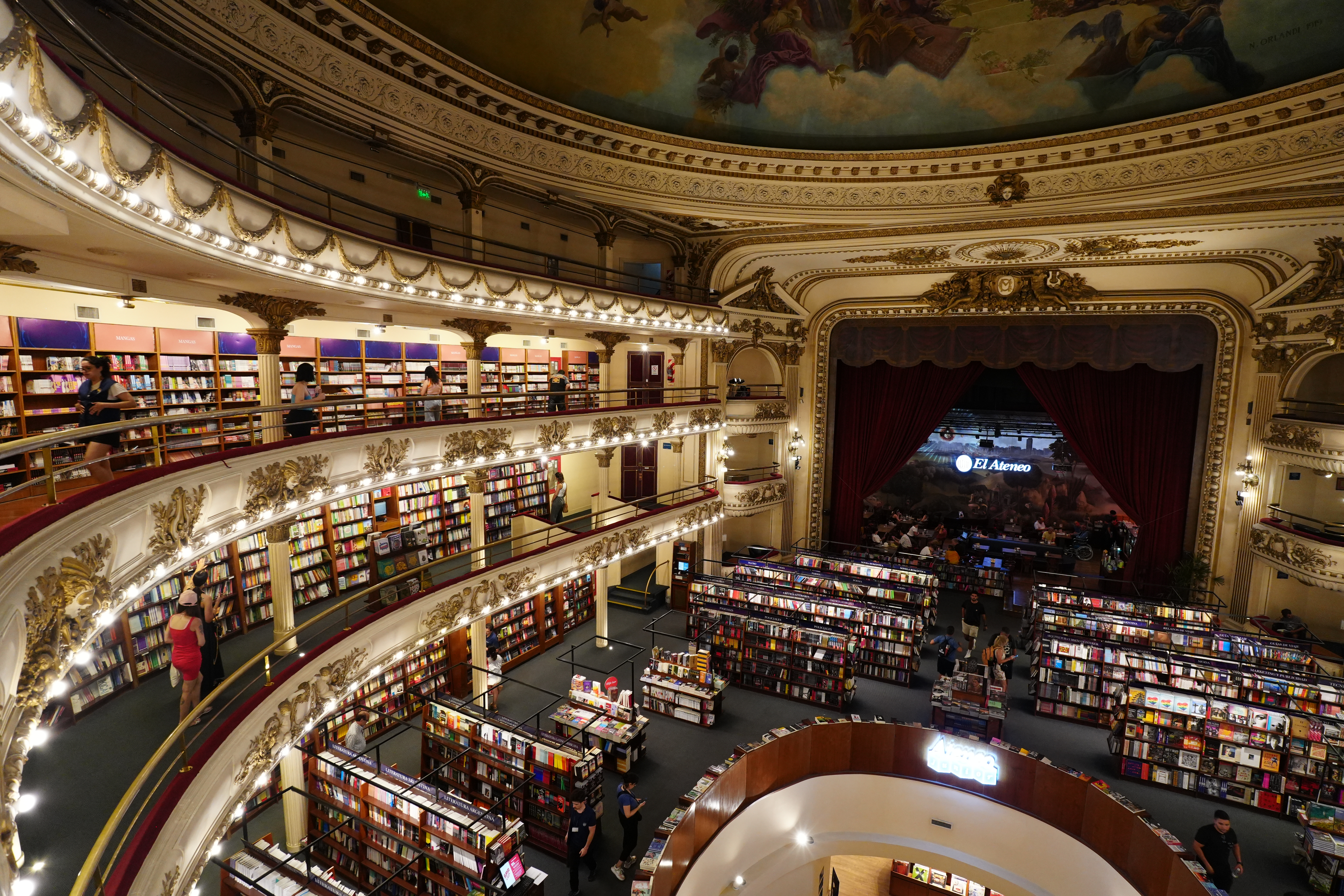
- The wraparound balconies
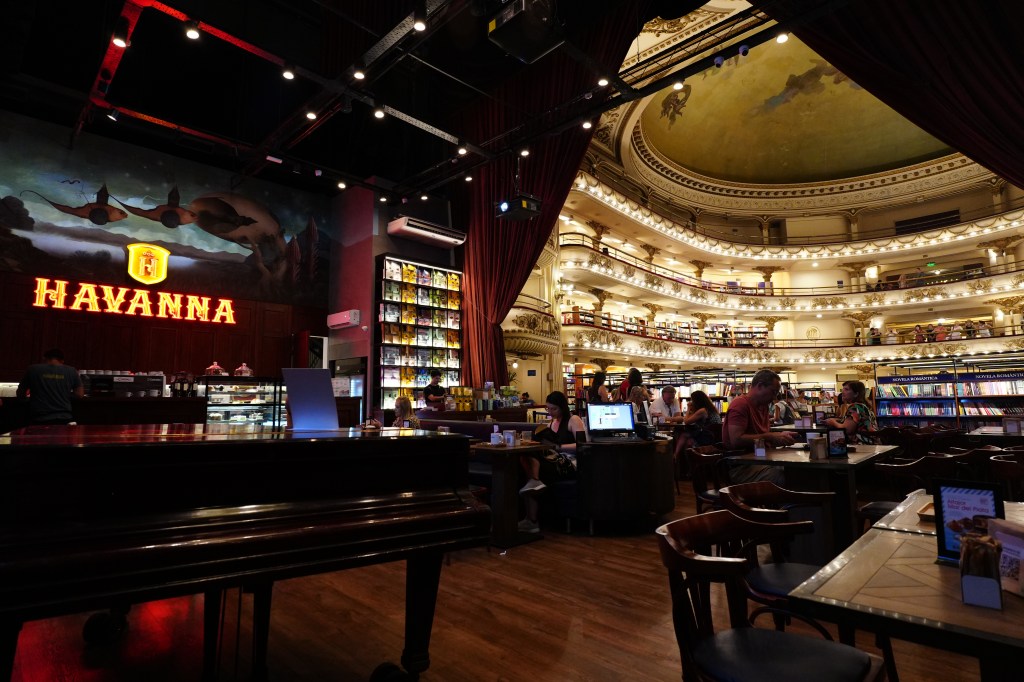
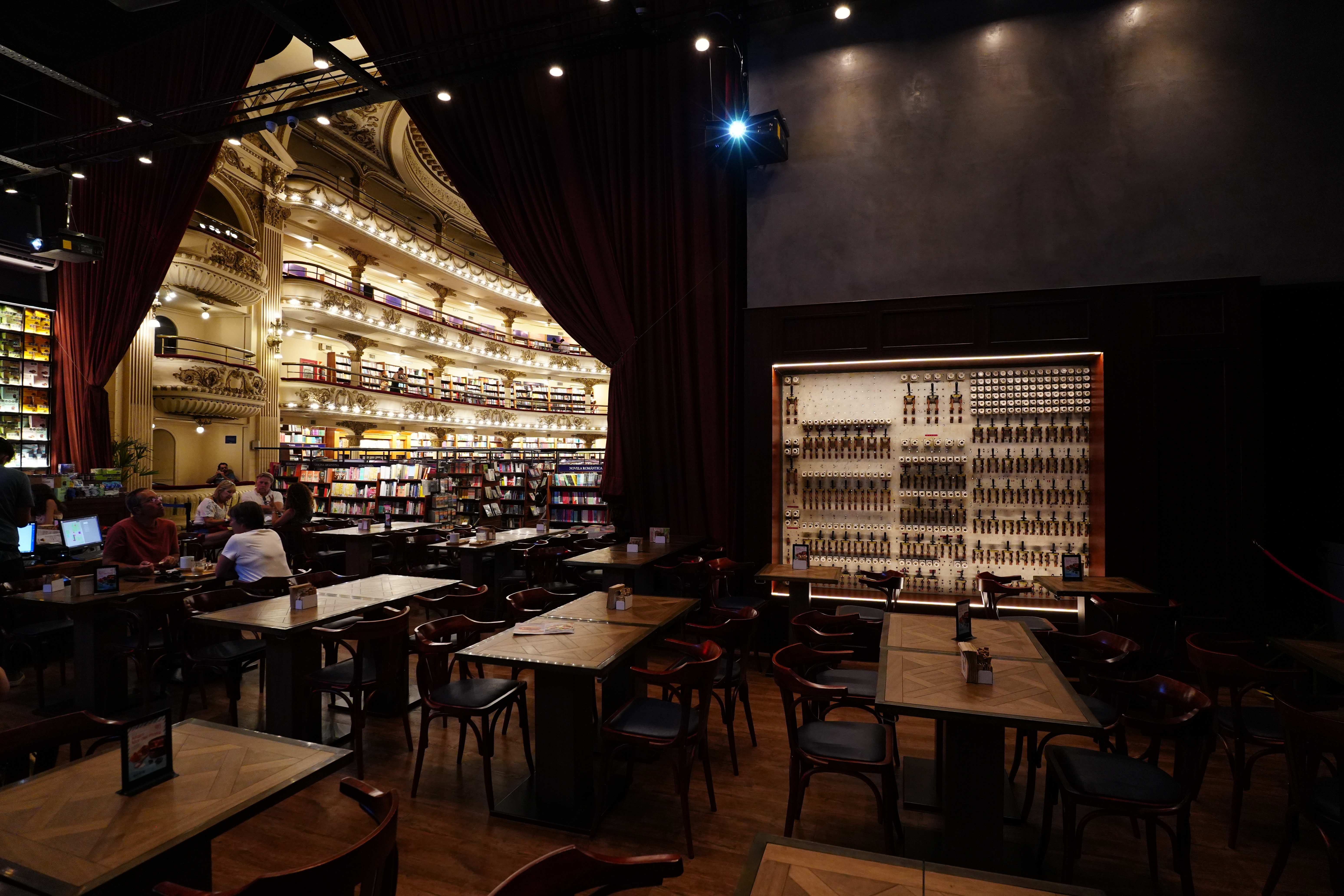
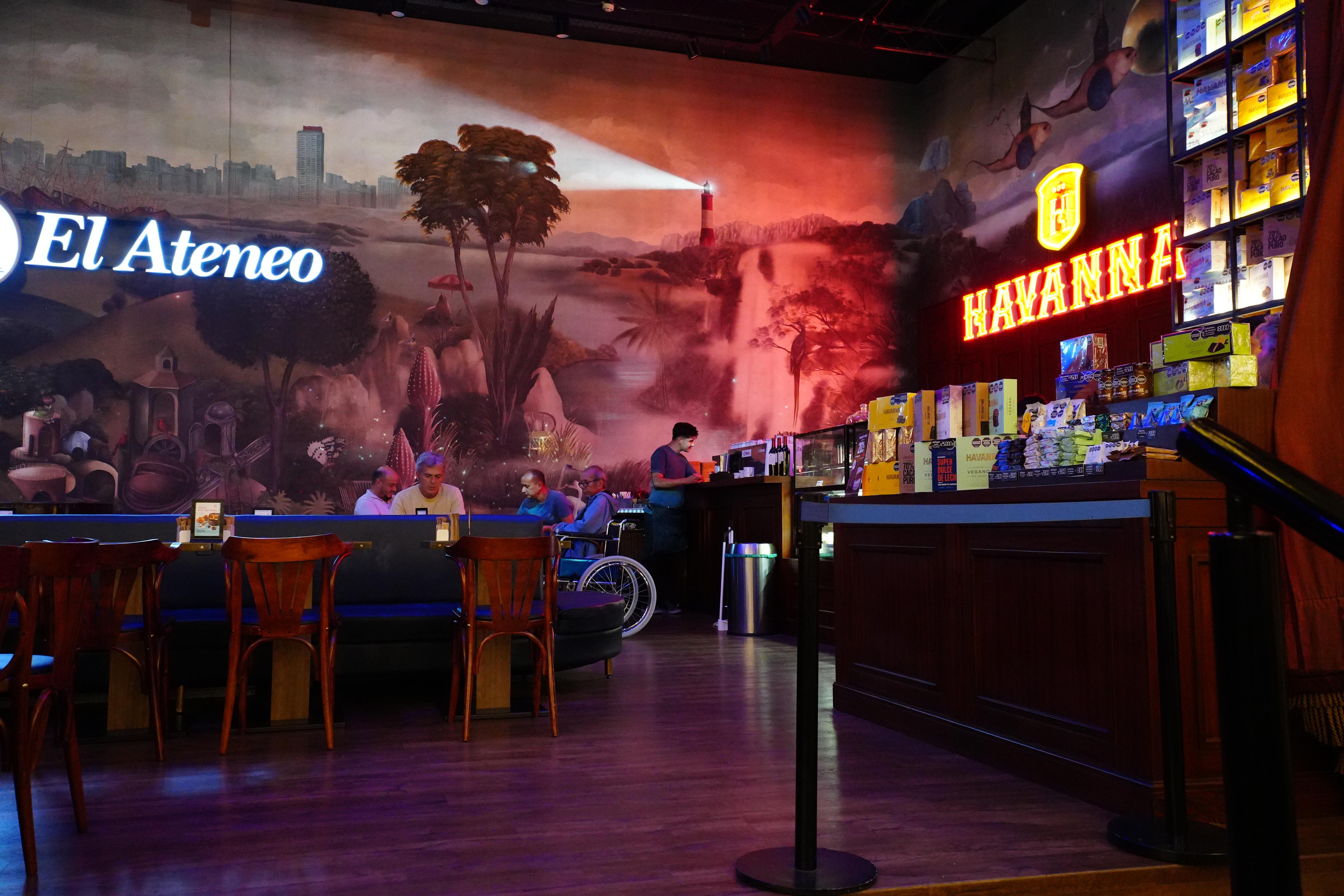
- The café on stage (Havanna)
- And the orchestral basement below
All these areas beautiful in their own way, reused and renewed from their original uses into a bibliophile’s pilgrimage.
Most people head straight for the balconies, entering the lines of evening. They want that iconic “I’ve been there” photo, the panorama shot of books wrapping the theater’s interior like an applause frozen in time. And fair enough, it’s stunning.
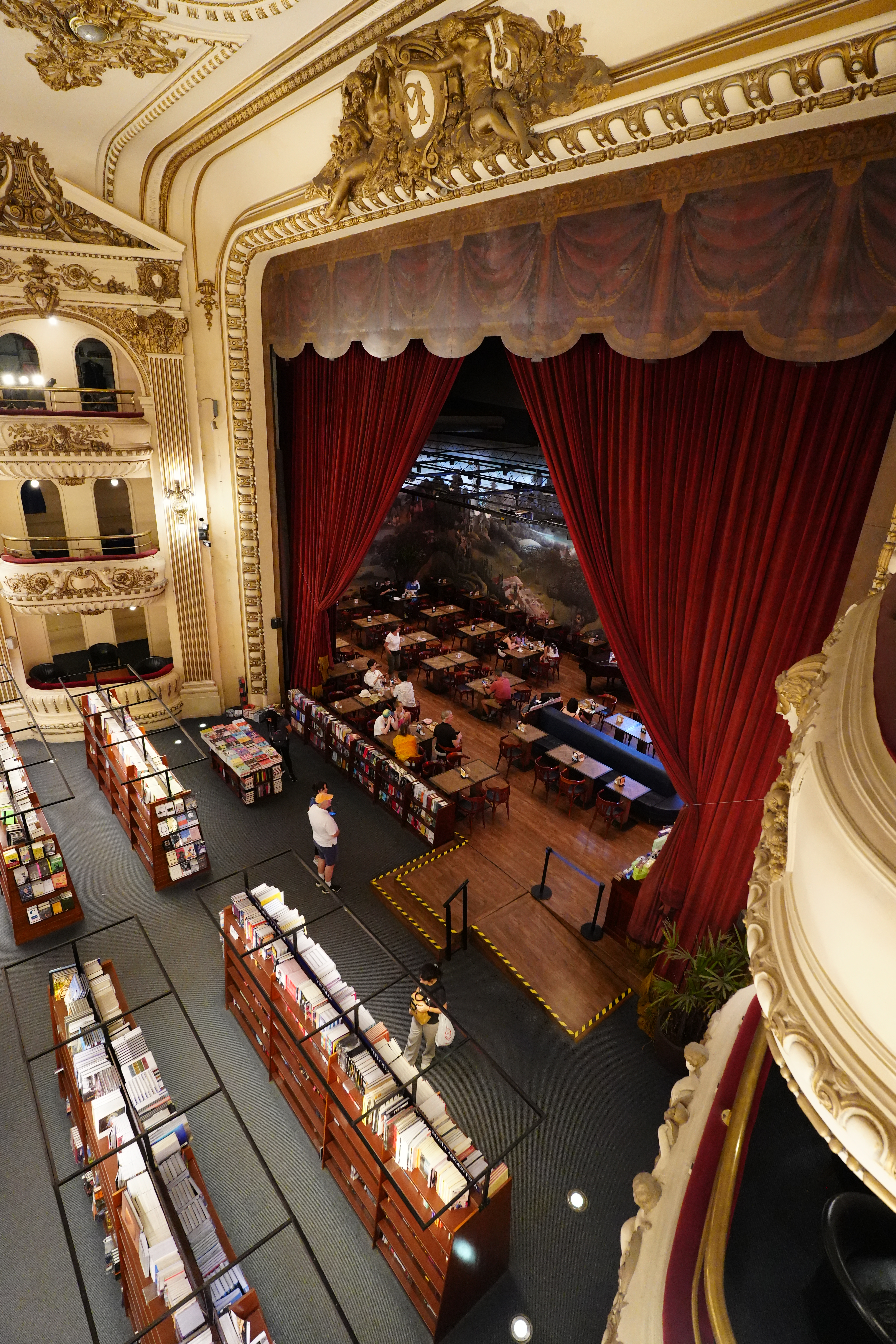
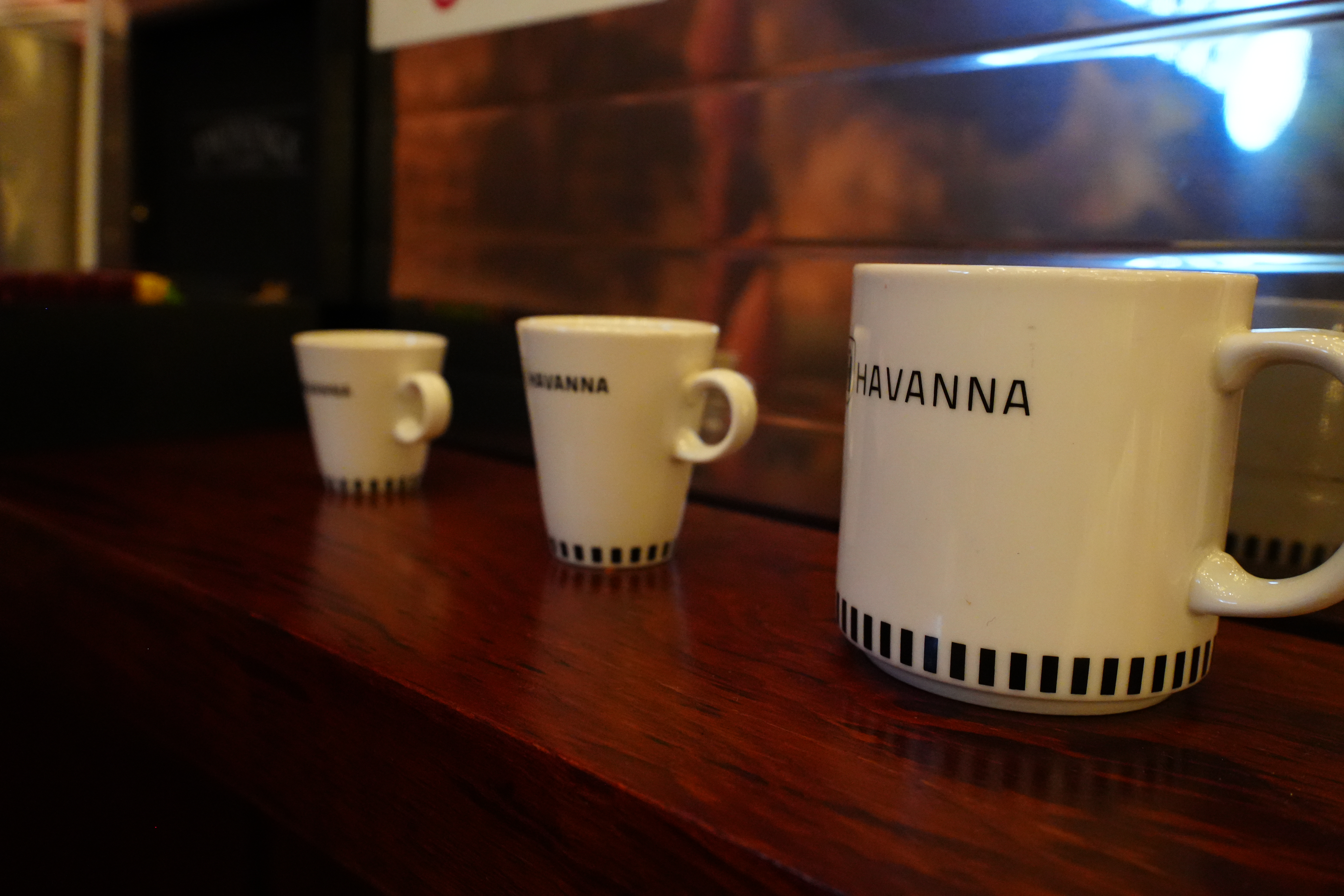
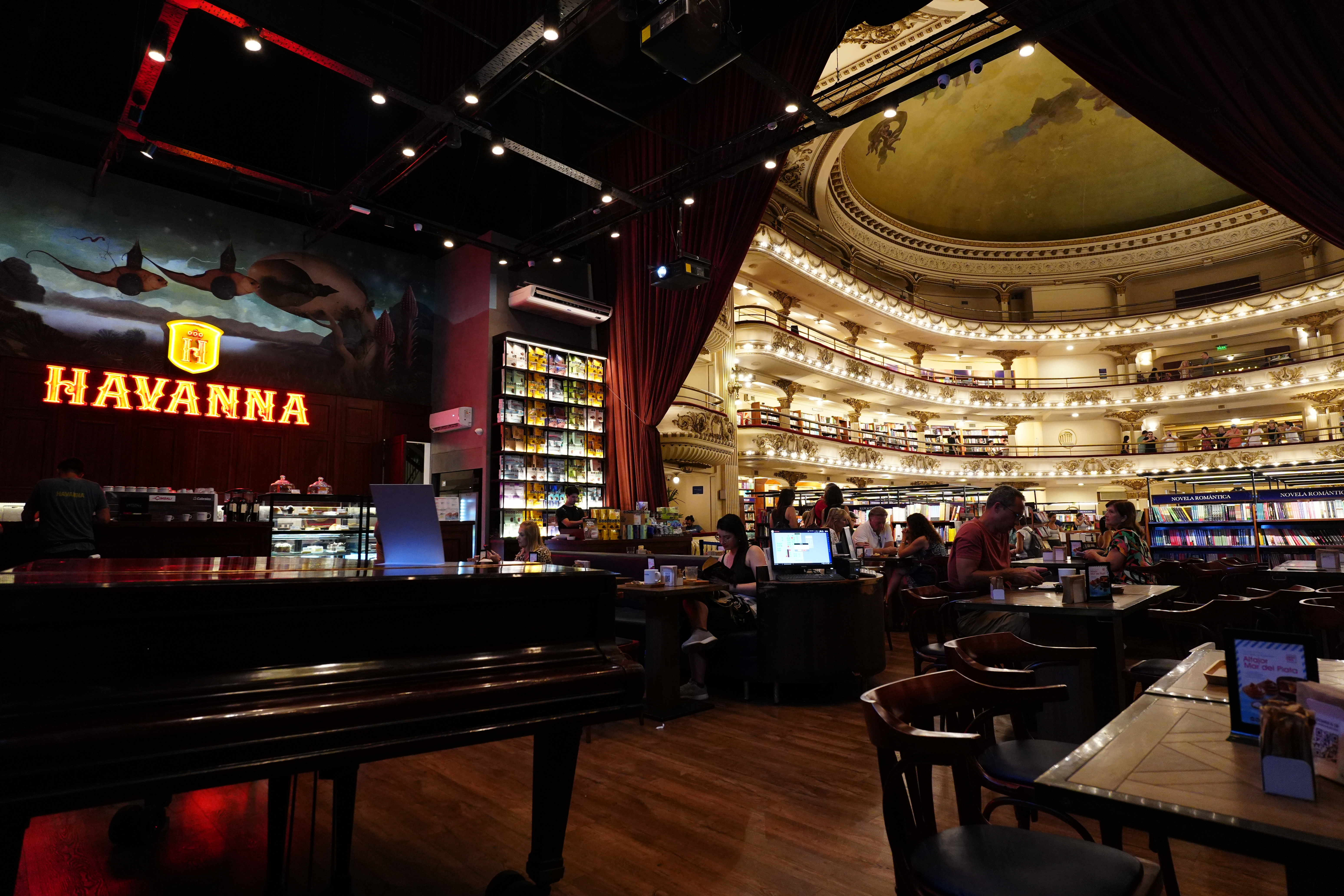
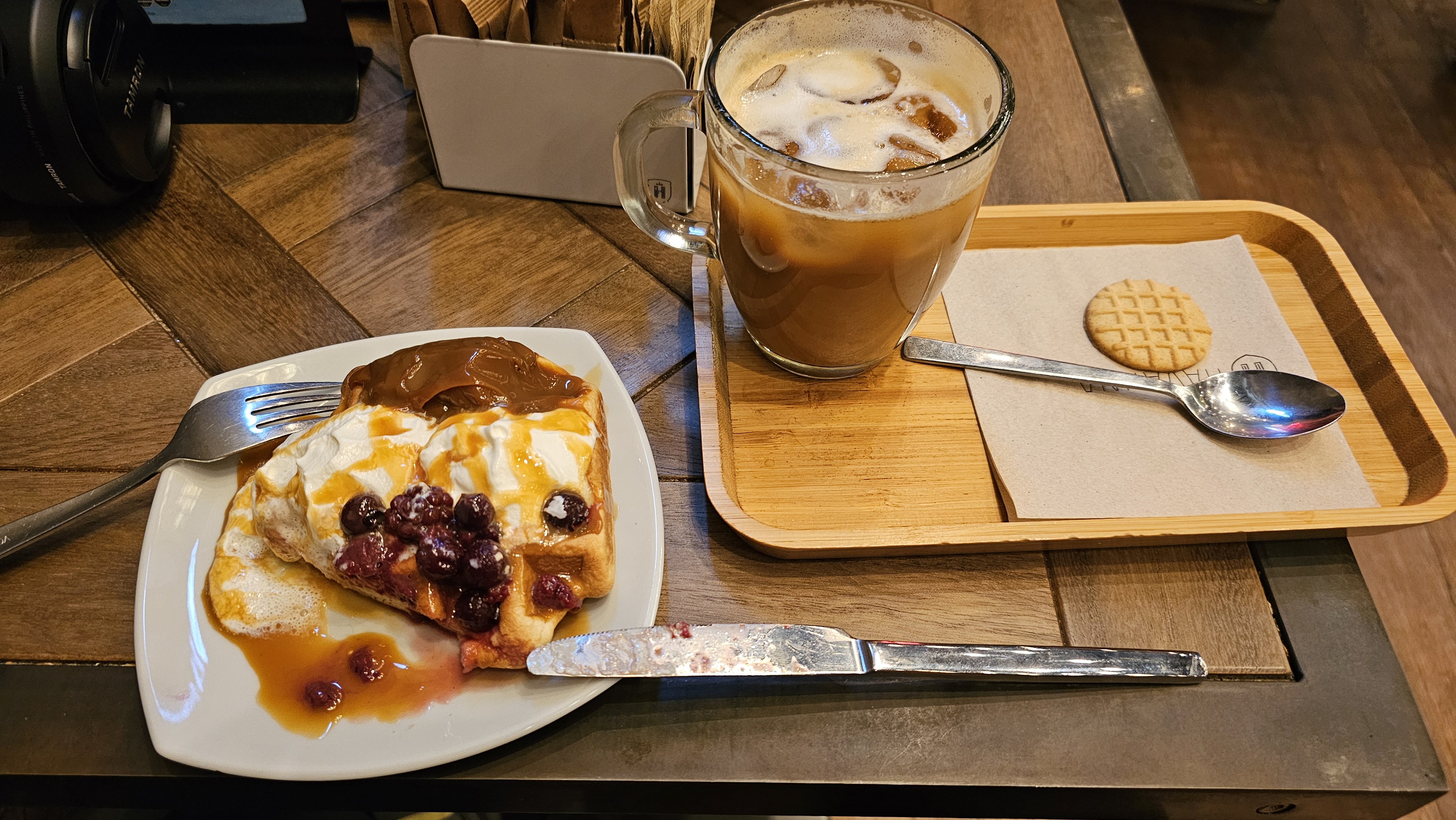
But equally delightful is the Havanna café perched on the old stage. It’s an excellent spot to pause, espresso in hand, and reverse the view, looking back toward the balcony crowds as they look down on you. The balcony people watching the stage people. The stage people watching the balcony people. A perfect peculiarity.
Below the Curtain
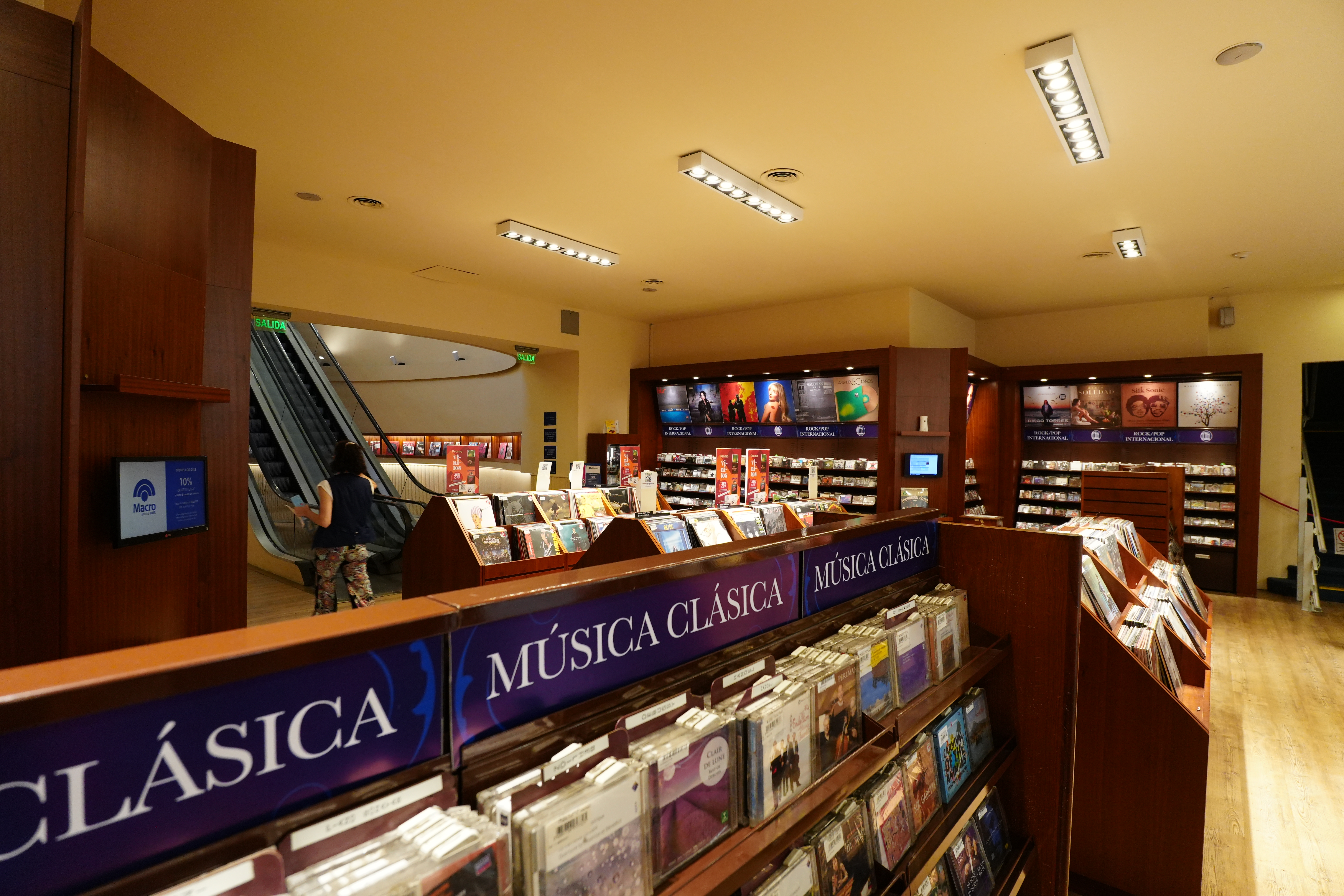
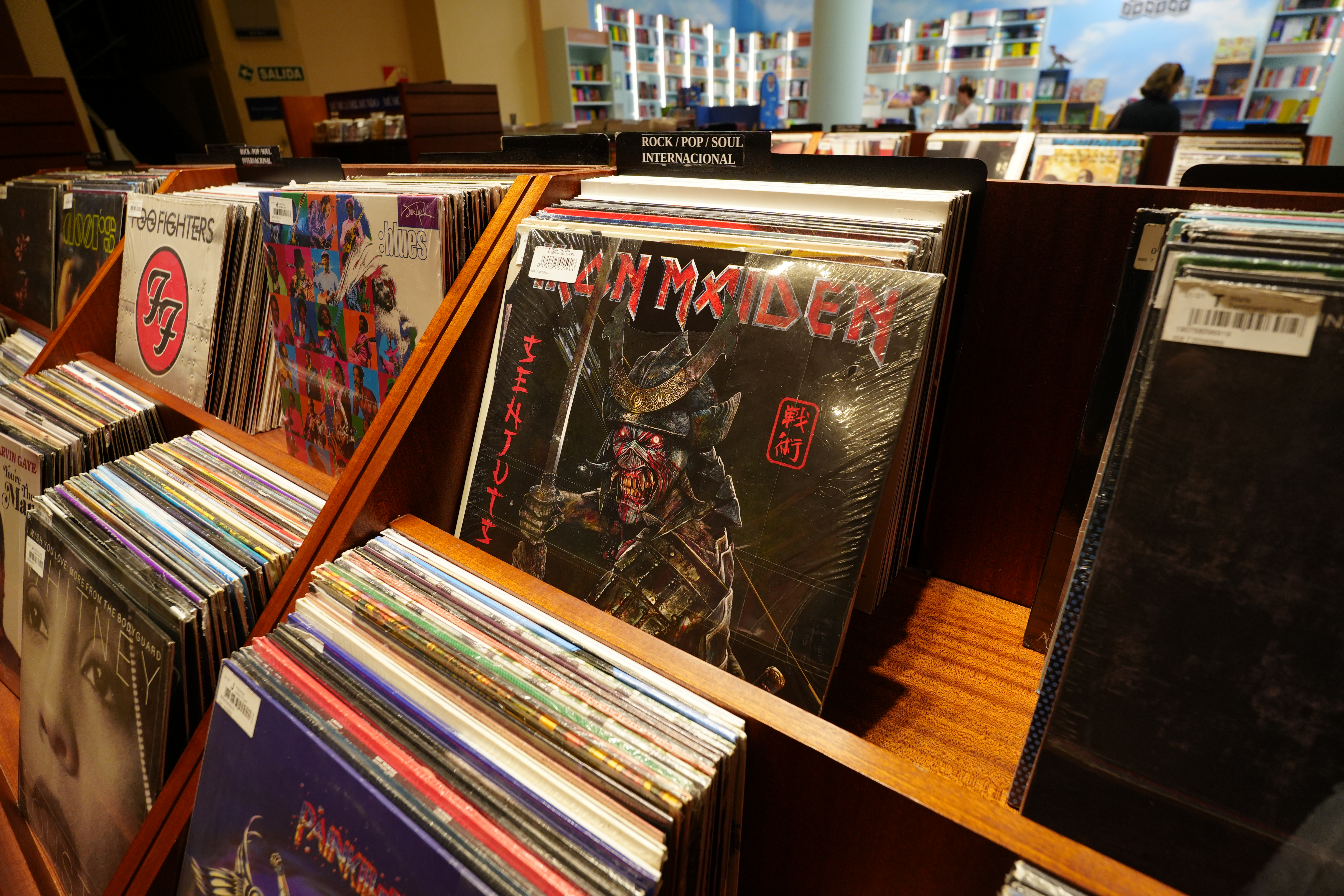
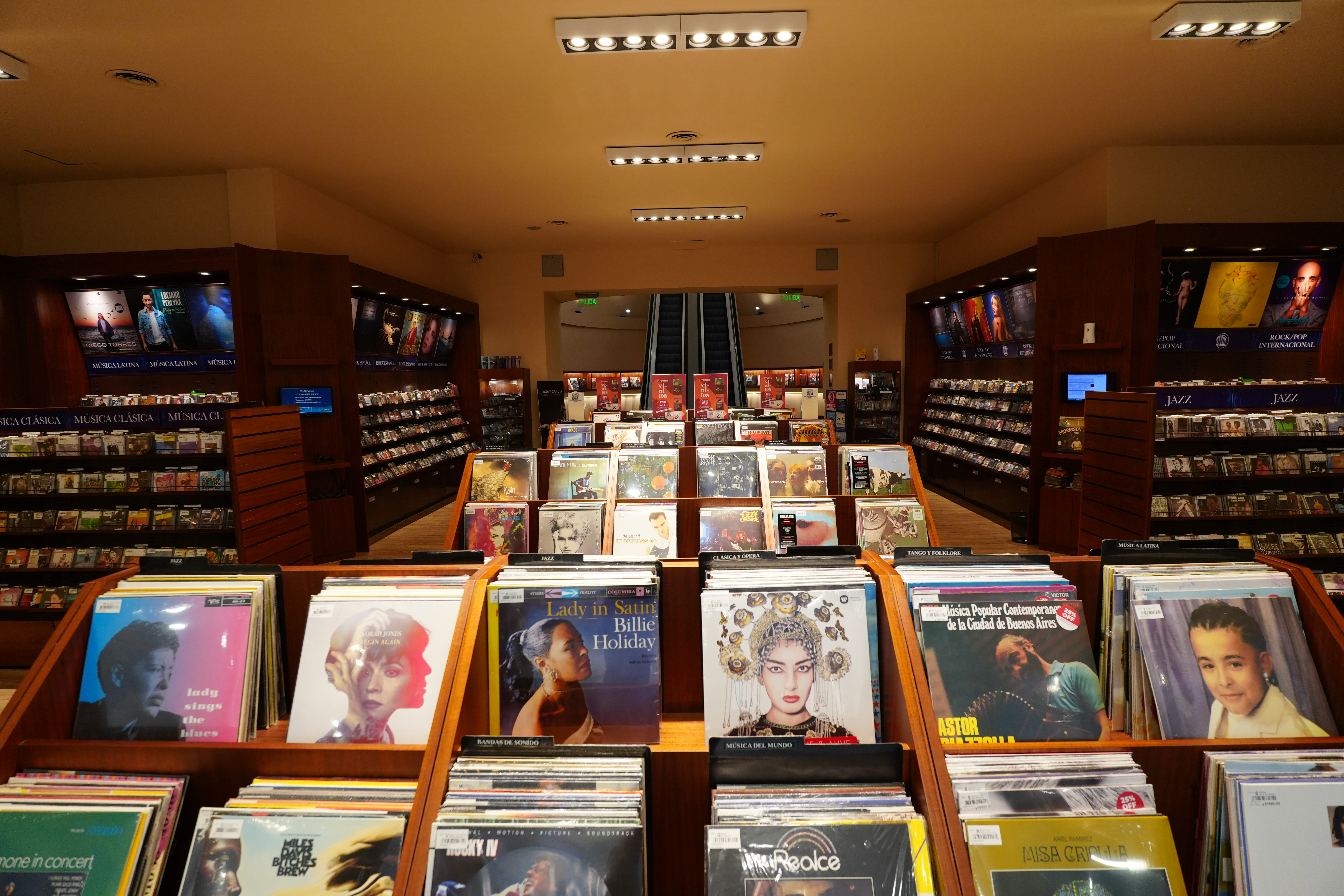
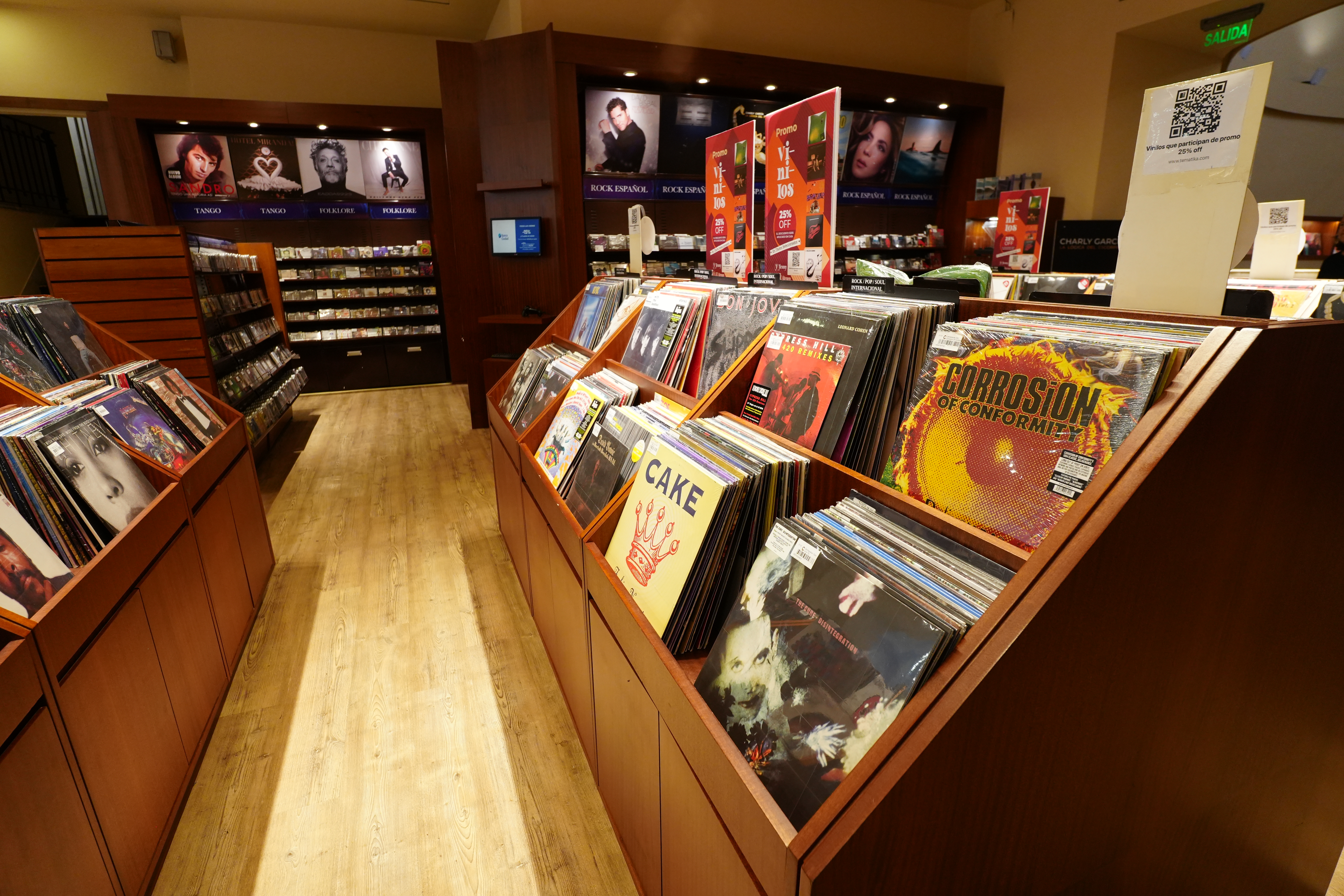
Take the escalator down and you enter the orchestral basement. Here it’s quieter, cooler. Rows of vinyl records and CDs line the shelves, alongside a collection of children’s books. New releases meet nostalgic throwbacks.
I found an imported Iron Maiden album tucked between Argentine rock classics. A small delight, made slightly bittersweet when I later learned my brother had just seen them live, shortly before band members started to retire. Little things stick.

When to Go (and Why Both Are Right)
When’s the best time to visit? That depends.
If you want near silence, uninterrupted views, and to pretend, for a moment, that the place is yours, go in the morning. Early. Before the chatter and camera clicks, when the city is still stretching awake.
But if you’re open to a different energy, to the chaos of shared wonder, then go in the evening. There’s something electric about being in the streams of people. As much as I want to run from the crowds, there is also the rush of getting into the vat of moving people. There’s life there.
Café as Curtain Call
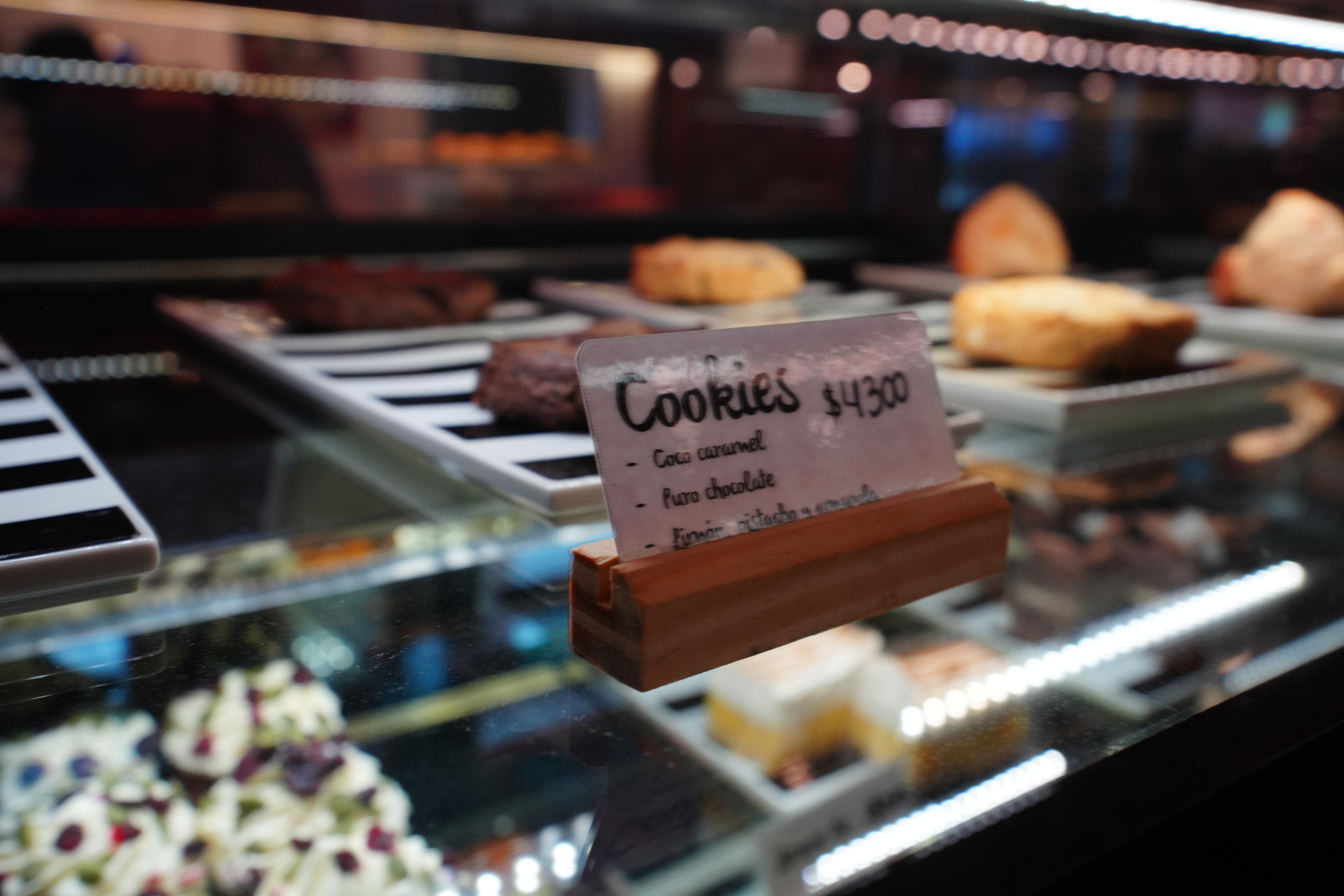
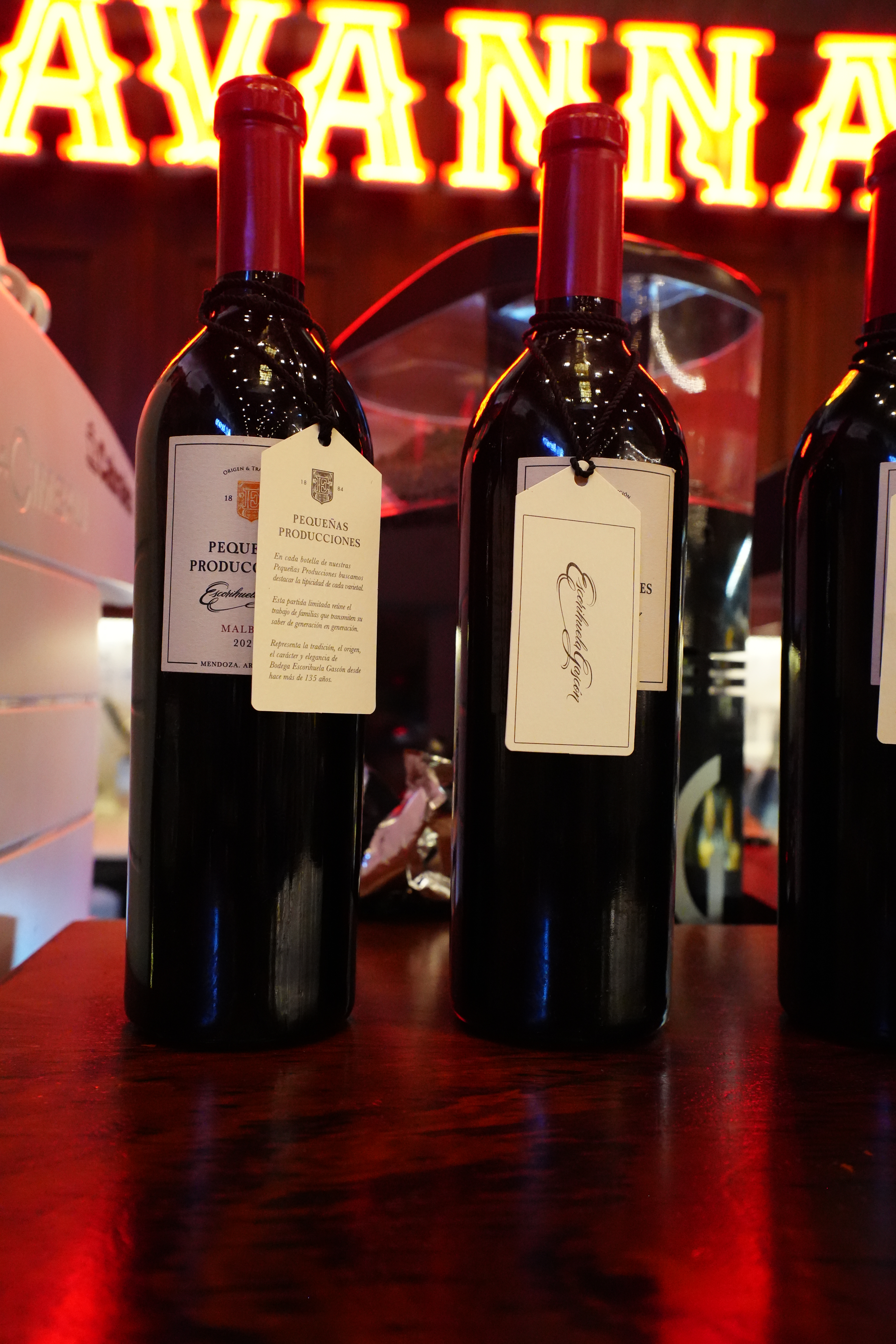
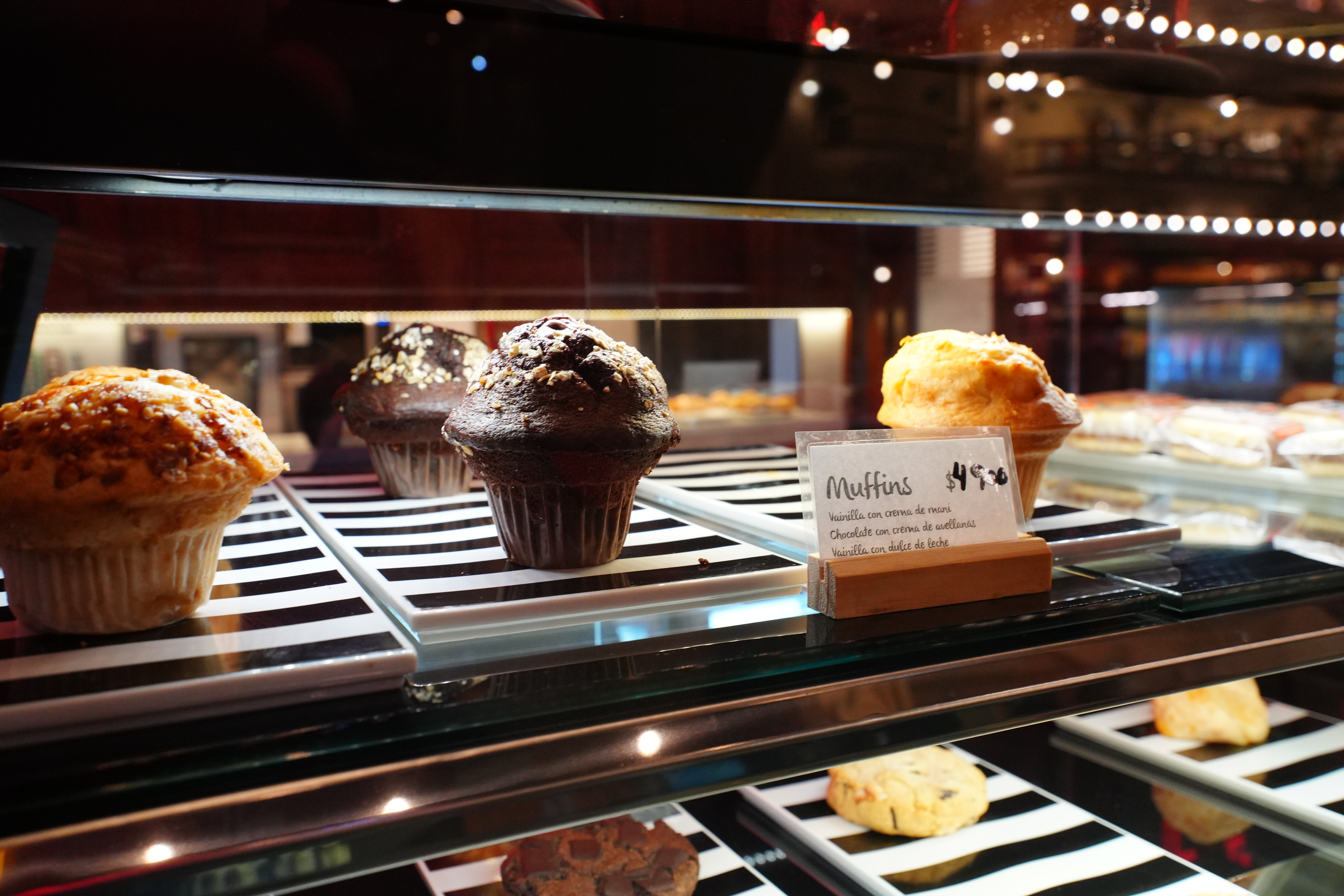
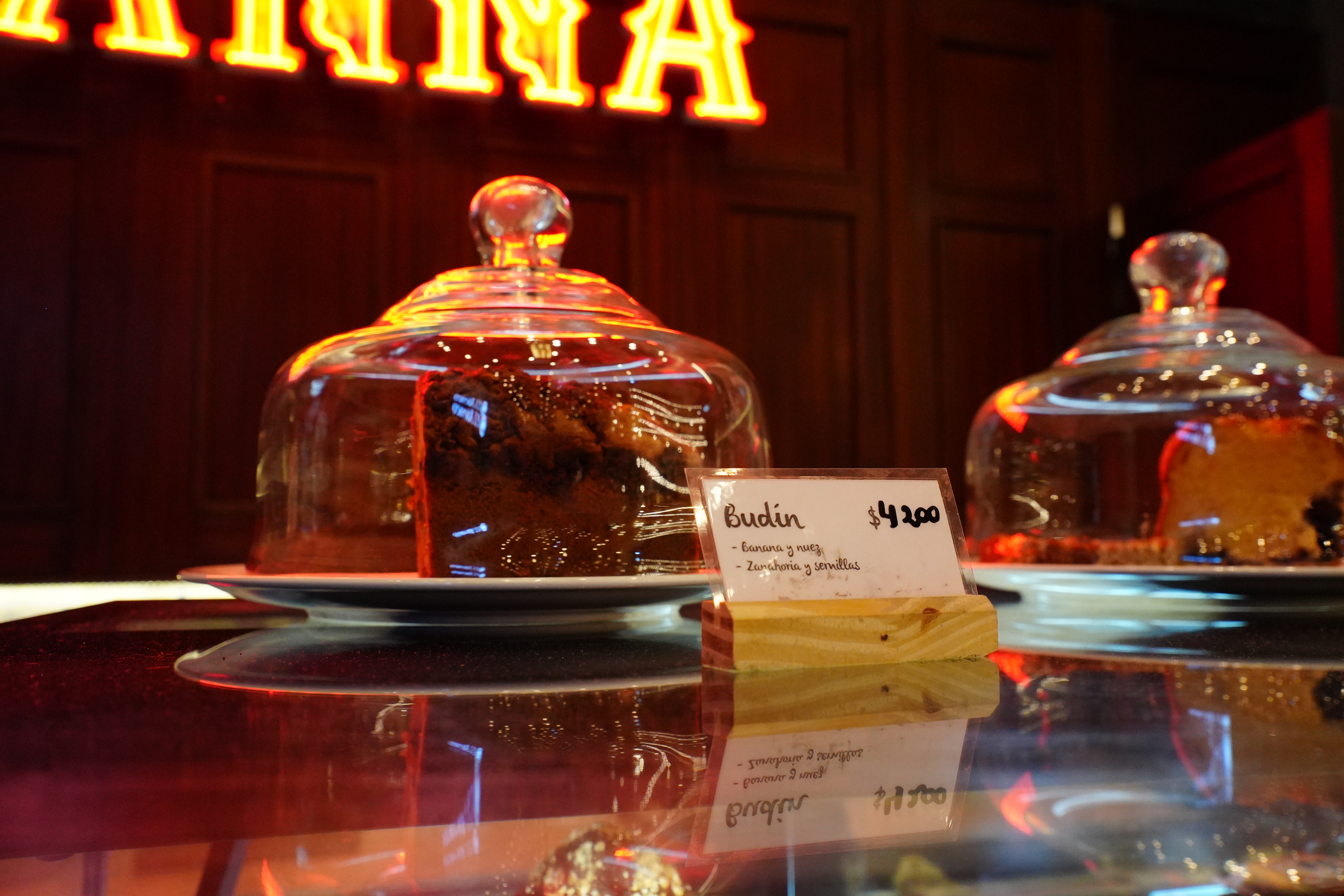
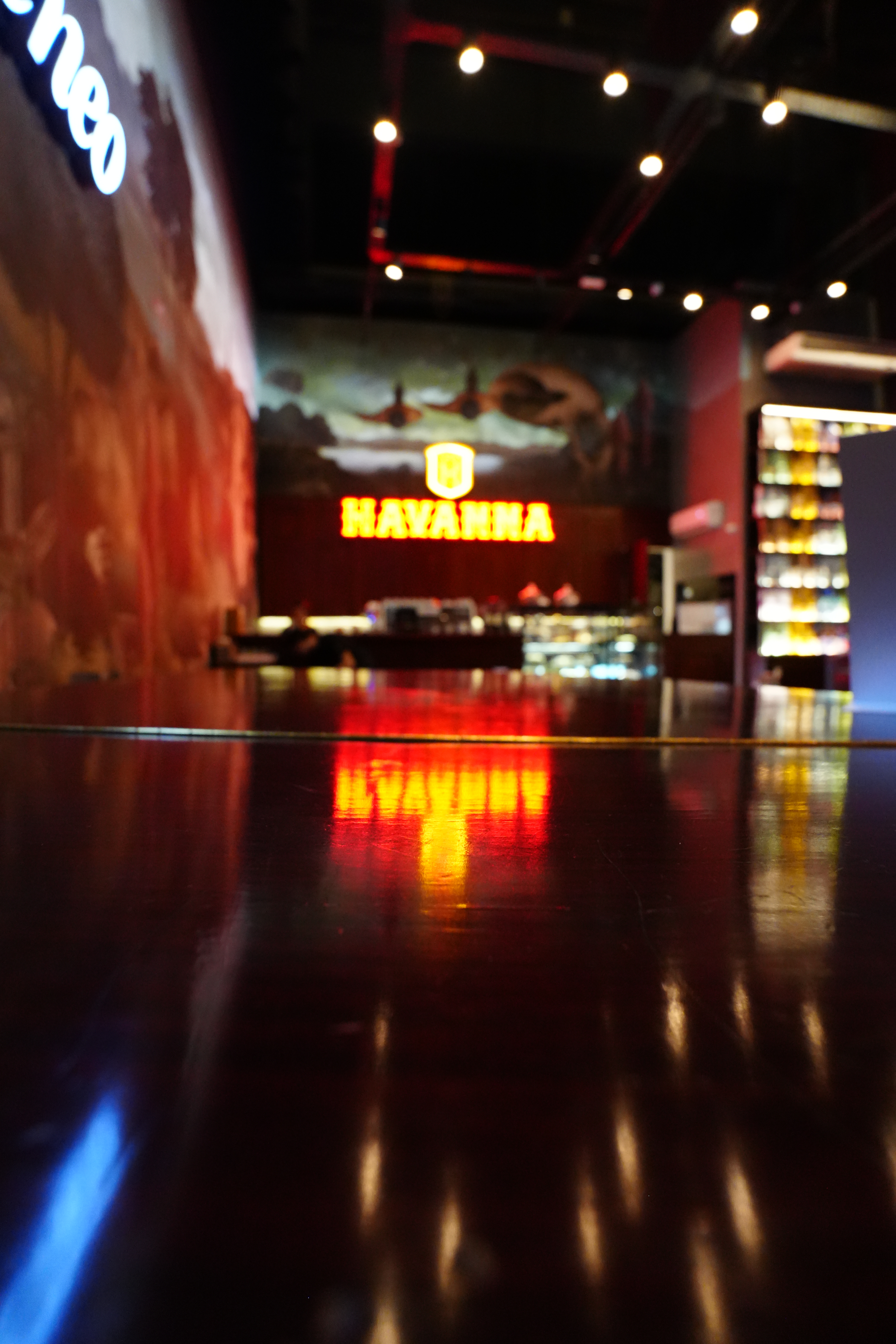
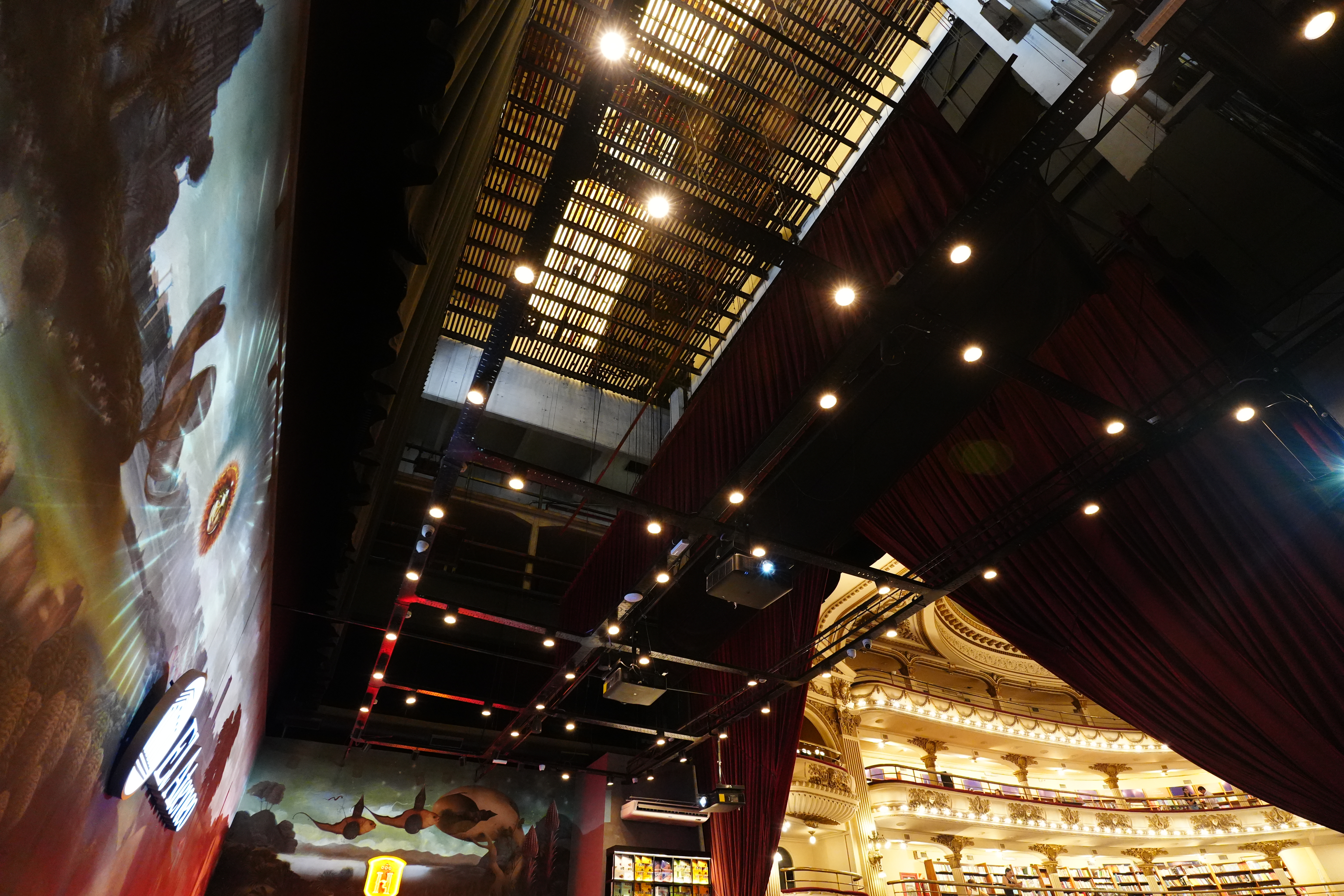
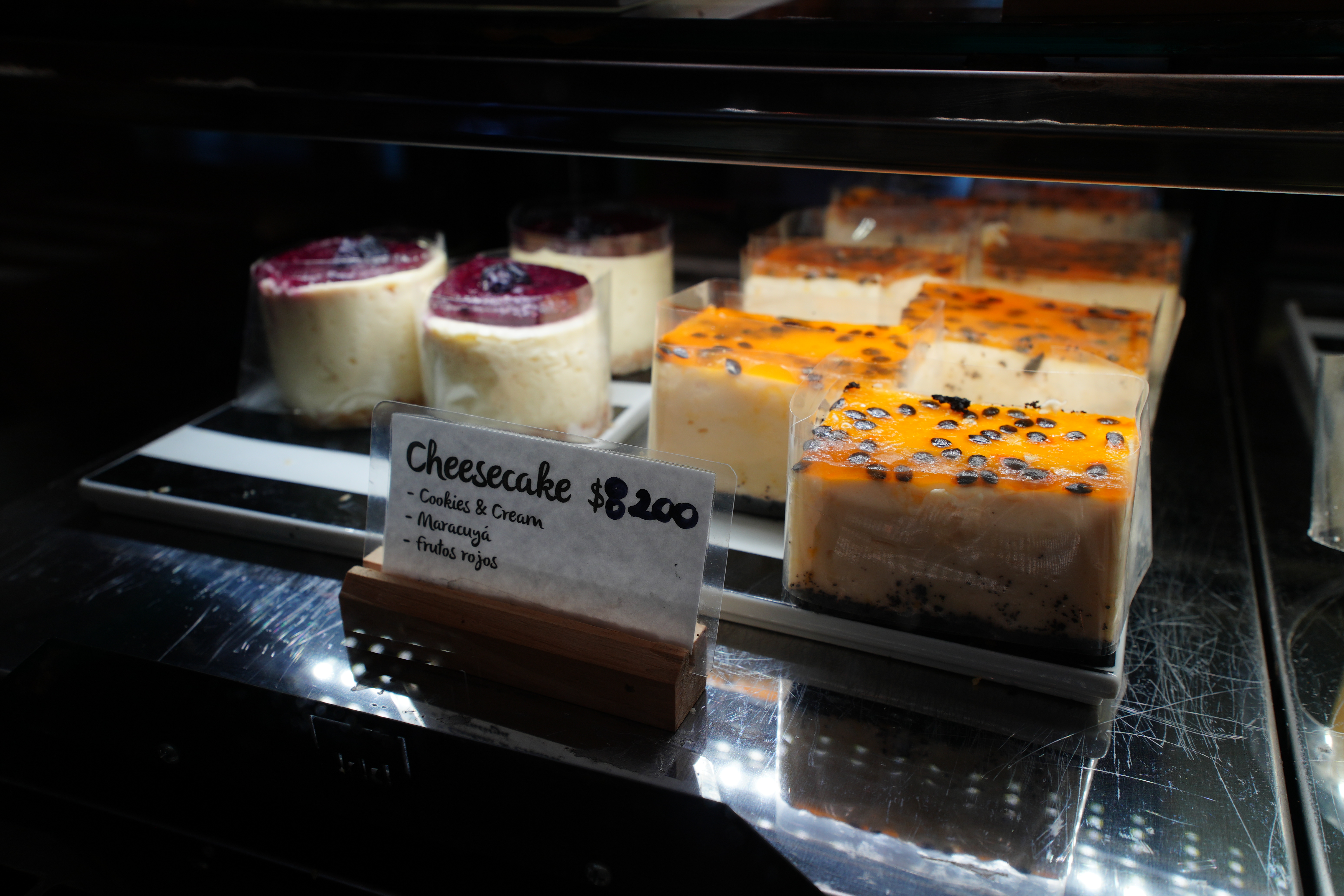
Through the arch, behind the velvet curtain, lies the main stage. The Havanna café serves desserts, coffee, and wine under lights that once lit actors’ faces.
Eating here is a small act of performance. The stage lights glow softly; the backdrop, a painted coastal landscape that transforms under changing light, from evening to near-day. I sat there long enough to watch it shift.
Was it quiet? In the morning, yes.
Was it loud? In the evening, gloriously.
Was it memorable? Without question.

El Ateneo: Behind the Miles
Places like this don’t just get photographed, they get remembered. There’s something indulgent about how grand the space is, and how ordinary the act of browsing books becomes inside of it.
It’s beautiful, yes. But more than that, it’s strange.
Not in a bad way. In a way that sticks.
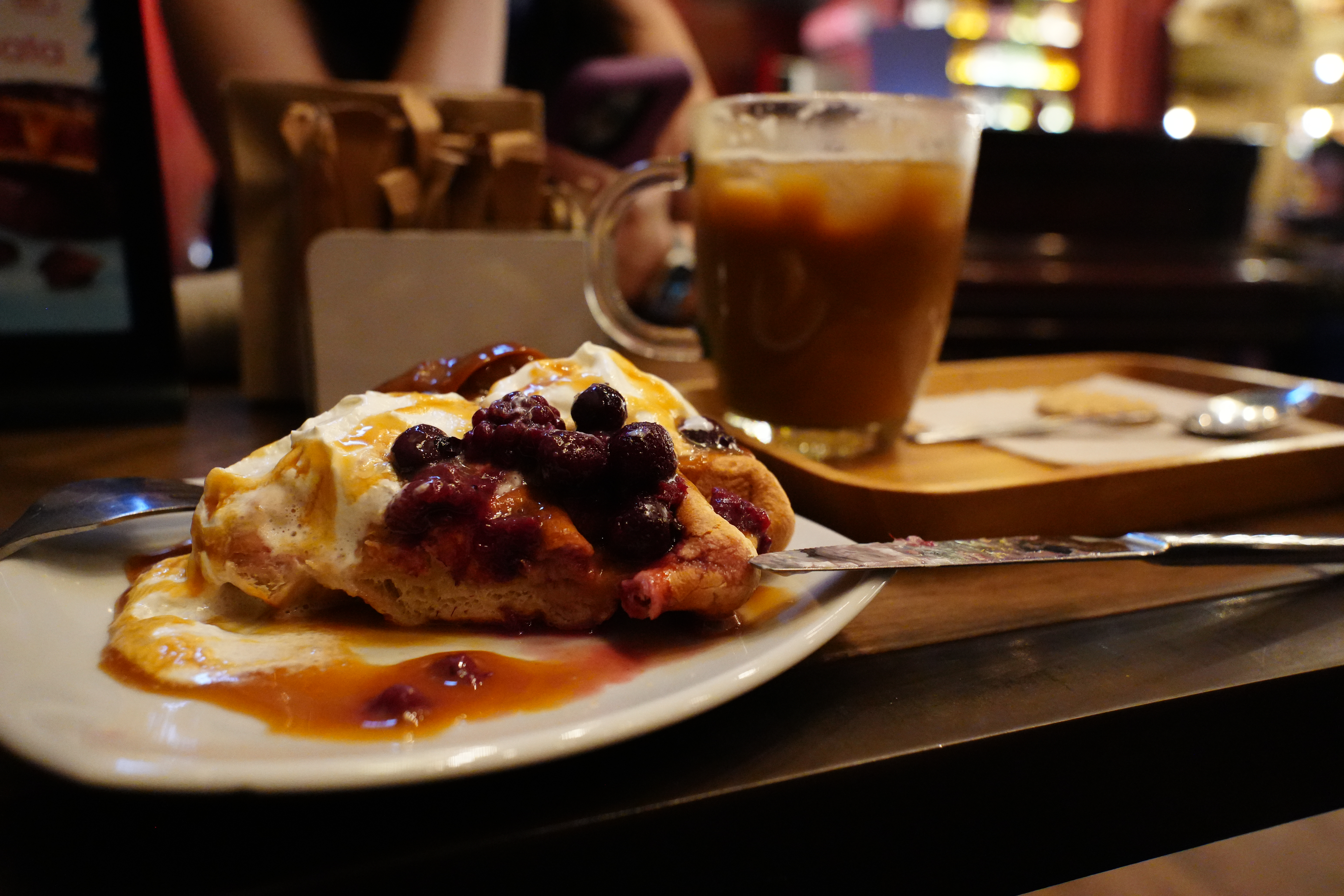
Like waffles and wine. Like Iron Maiden under spotlights.
Like walking into a space once meant for applause, and still feeling it echo through the shelves.








 Romantic Roads
Leave a comment